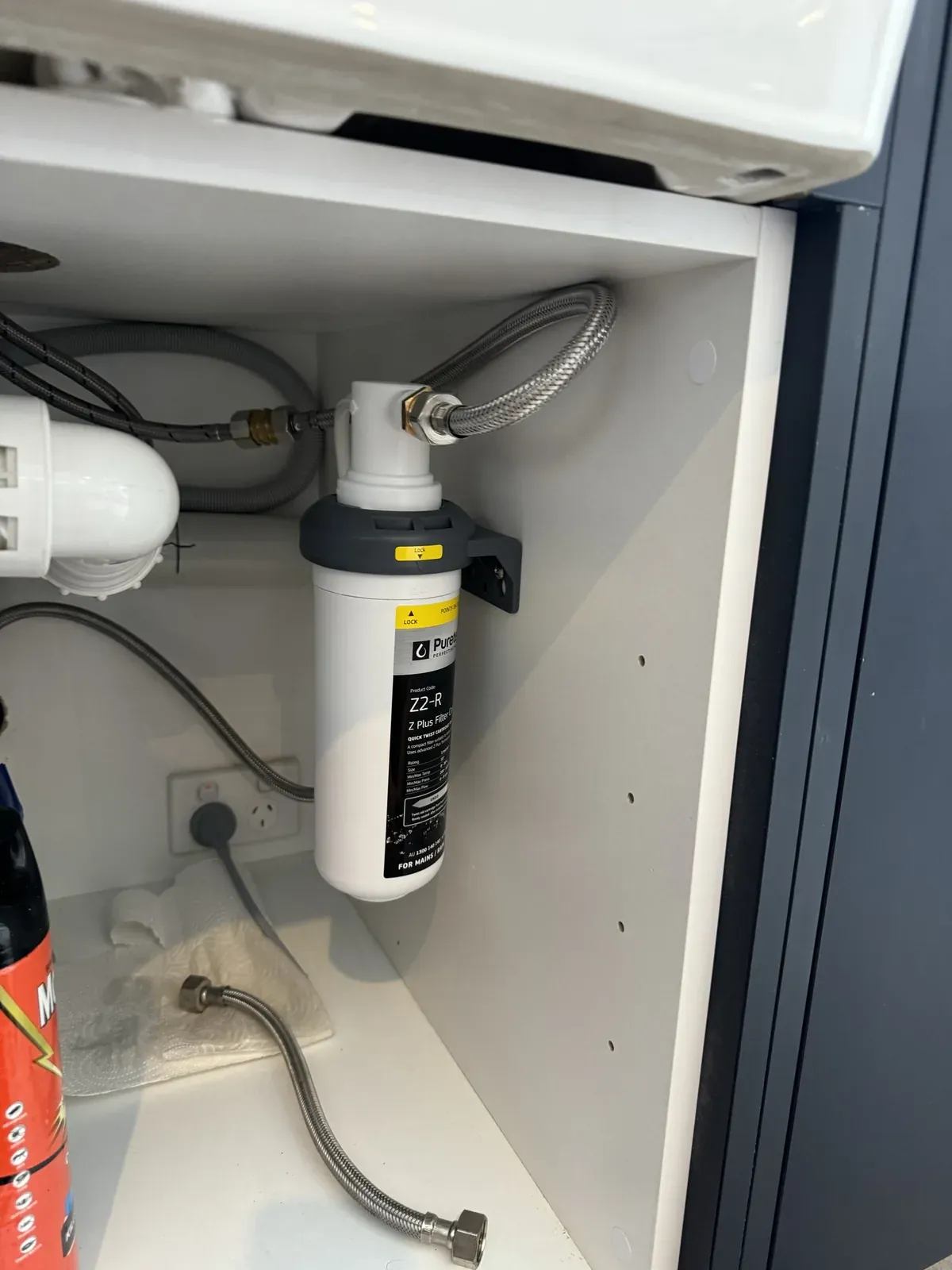






Reverse Osmosis Water Filter Installation Sydney - Under-Sink Systems Fitted

Want reverse osmosis drinking water at the kitchen sink? We supply and install under-sink reverse osmosis systems, or fit one you have bought, connecting the cold water, the drain and the tap and testing every joint, with the price agreed before any work starts.
- $0 call-out fee*No charge just to come and look
- Fixed Price QuotesUpfront pricing before work starts
- Aussie owned & operatedFamily-owned in Sydney since 2010
- Lifetime guaranteeIf our work fails, we fix it
Free quotes · Licensed & insured · Lic #306457C
*No call-out fee during business hours, Monday to Friday 7am to 4pm. Mr Splash VIP lifetime members pay no call-out fee at any time. After-hours and weekend call-outs may attract a fee at our discretion, and we will always confirm it with you before we attend.
Get a Free Online Quote
60 seconds · no obligation
Pick your setup
What do you want at the sink?
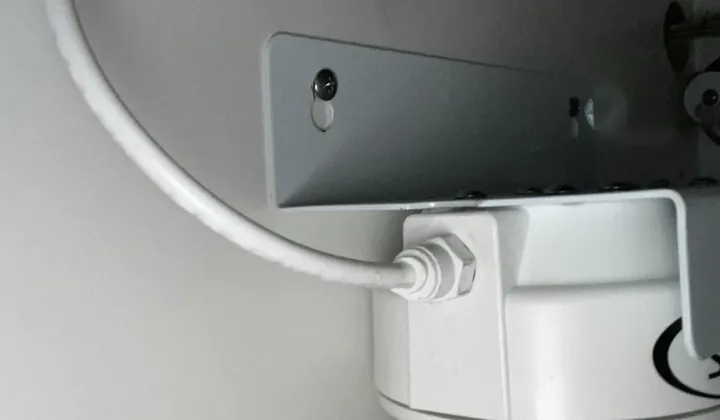
Under-Sink RO Systems
Pre-filters, the membrane and a small storage tank in the cupboard under the sink, feeding their own drinking water tap.
Get a fixed price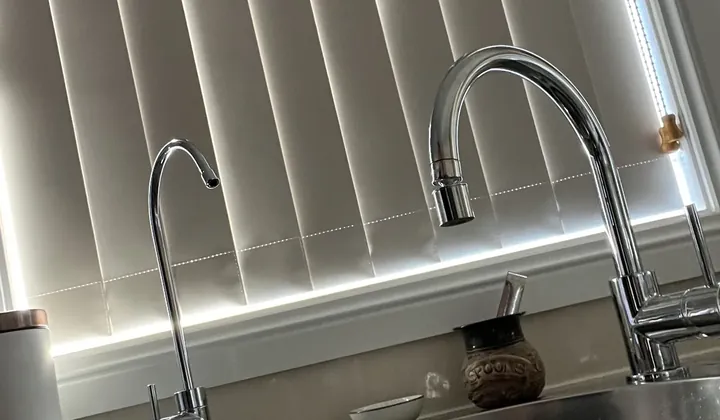
Drinking Water Taps
A separate filtered water tap beside your mixer, so the mixer keeps doing hot and cold as before.
Get a fixed price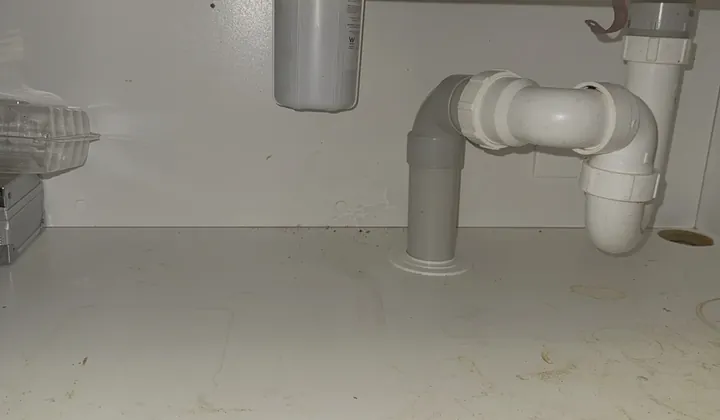
Units You Have Bought
An RO unit you bought online or in store, fitted and connected, as long as it carries the WaterMark.
Get a fixed priceSupplied and installed
Fitted under your sink, with its own tap
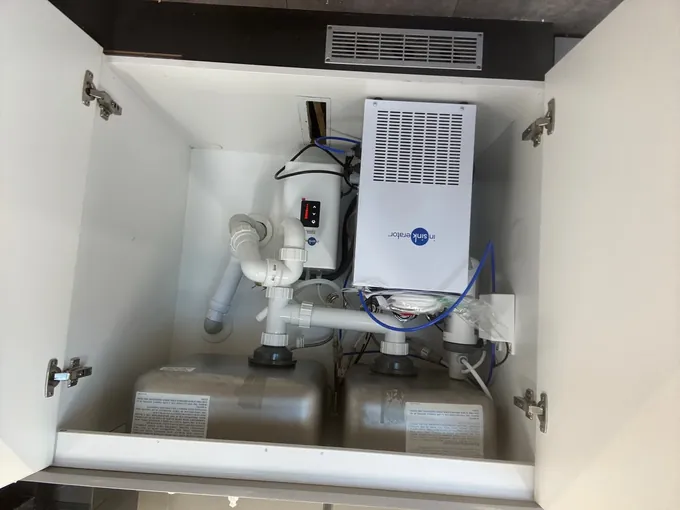
- Mounted in the cupboard with room left to change the cartridges
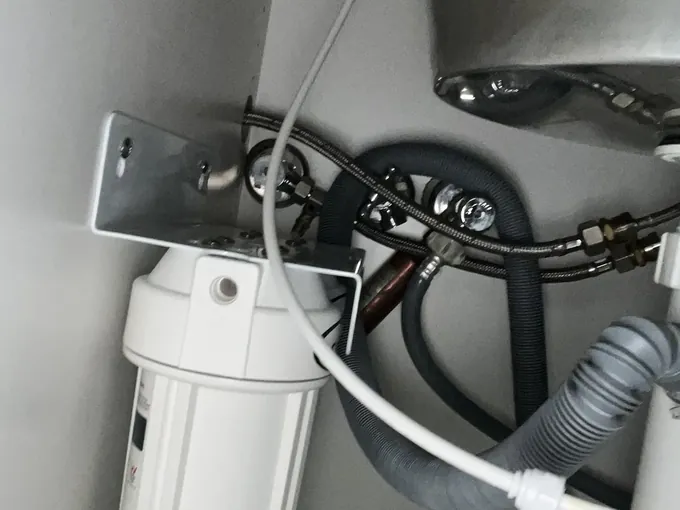
- An isolation valve on the cold line, so the filter can be turned off on its own
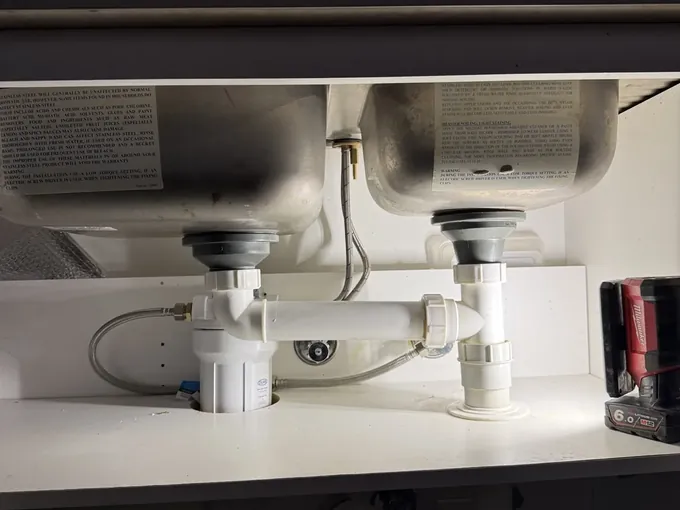
- A drain connection for the membrane’s waste stream
- One fixed price before we start, with 0% interest payment plans

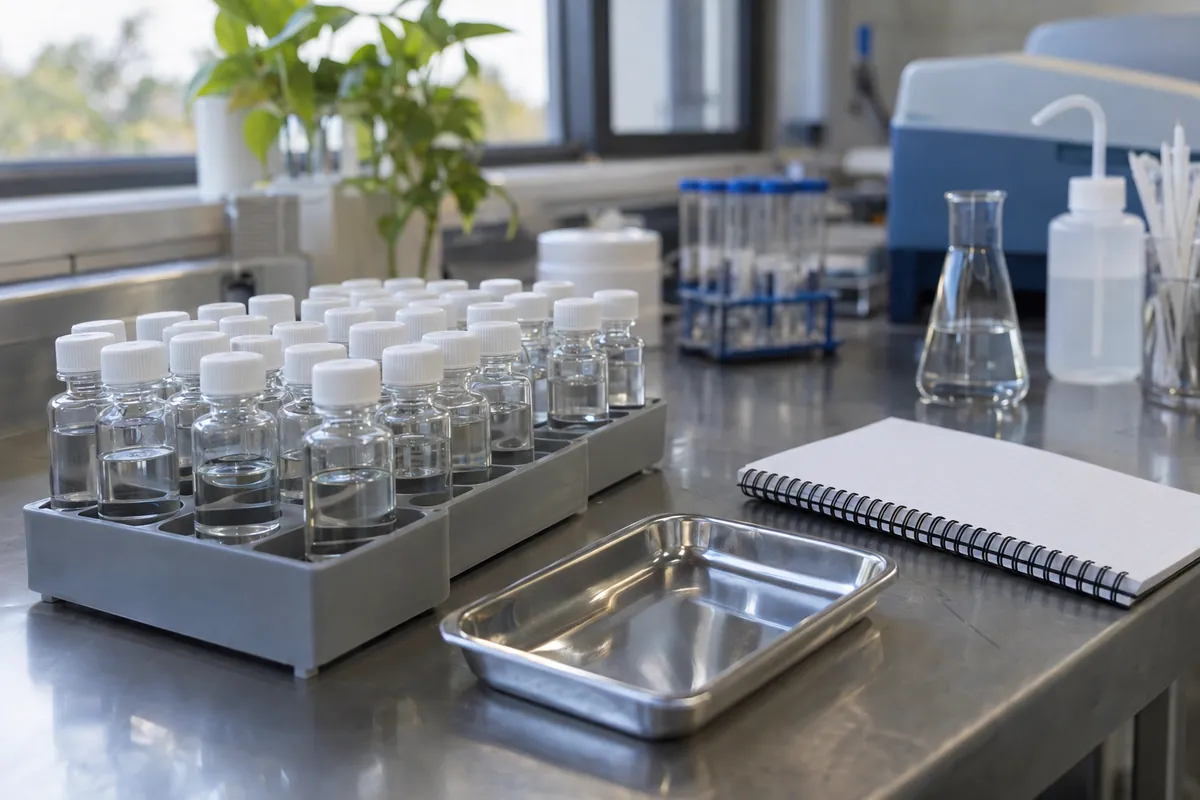
Under the sink
What Is a Reverse Osmosis Water Filter?
In the news
Sydney’s water, in the news
What has been reported about Sydney tap water, with our straight answer under each story.
 7NEWS Sydney23 Sep 2026
 Mr Splash image
 11 Sep 2025Sydney Water under fire over ‘forever chemical’ hotspots in cityOur takeThe inquiry was about how Sydney Water checked its catchments. Its published results sit under the national guideline.Read the story on ABC News Mr Splash image12 Aug 202521 new ‘forever chemicals’ found in Sydney’s drinking waterOur takeIf PFAS is on your mind, an under-sink reverse osmosis tap is the proven fix. We fit that too.Read the story on ABC News
 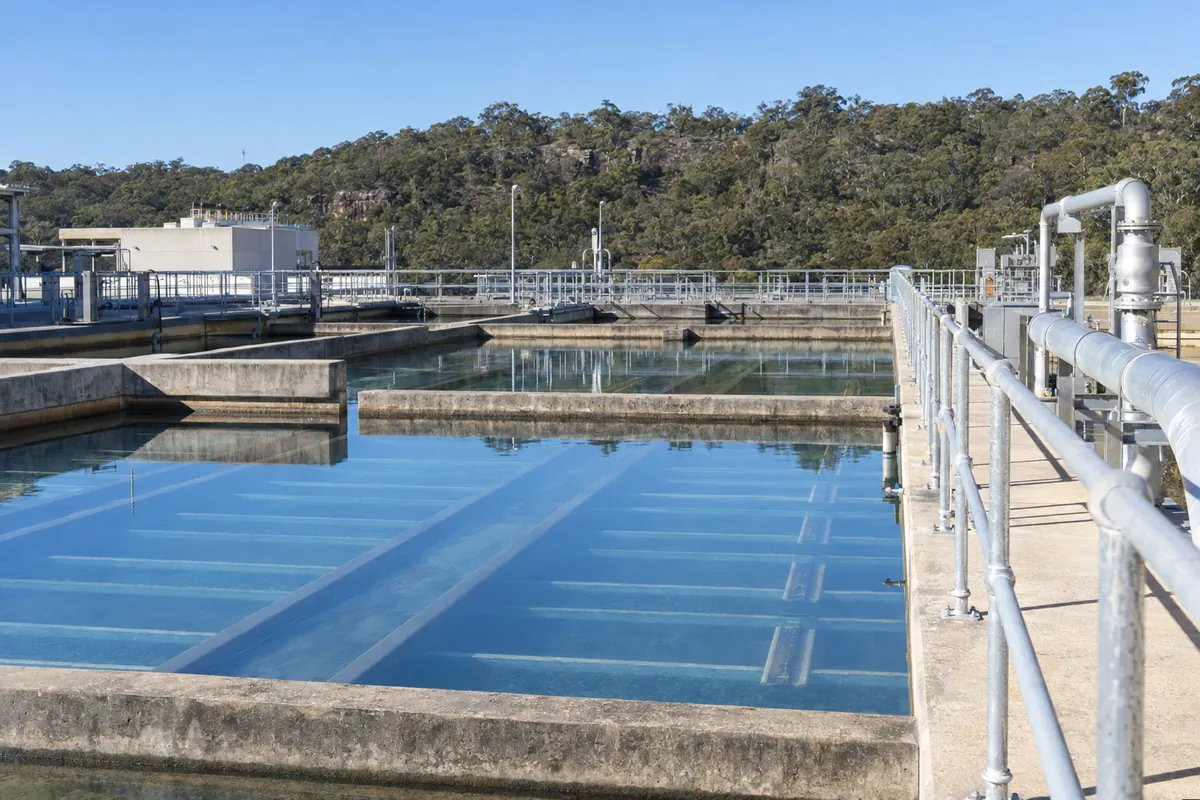 Mr Splash image
 18 Oct 2024Sydney Water releases latest PFAS resultsOur takeSydney Water’s own testing says the treated supply stays safe to drink. A filter is about taste and smell.Read the story on Utility Magazine
 Looked after
A filter only works while its cartridges are fresh
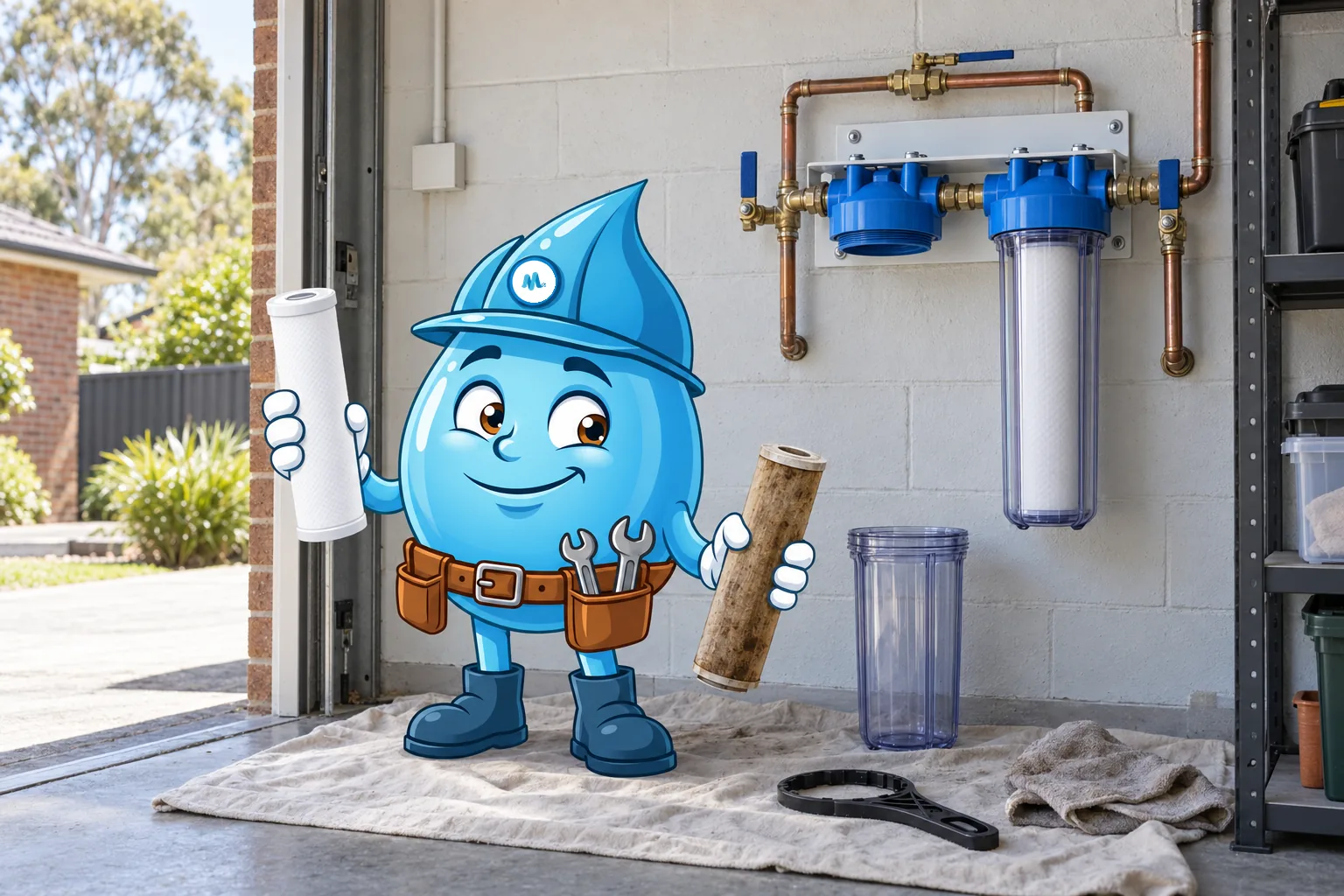
Cartridges usually need changing every 6 to 12 months and the membrane every 1 to 3 years, as the makers set. We set the schedule when we fit it, and we can come back to change them.
Video Testimonials


Why Sydney homes pick Mr Splash
Straight answers, fixed prices, work that lasts
How it goes in
Three steps, one visit
Honest answers
Read this before you buy a filter
Straight answers to the questions Sydney homeowners ask us, reviewed by our licensed plumbers.
Is Sydney Tap Water Safe to Drink? What the Tests Actually Show
Yes, it meets the national guidelinesPFAS in Sydney Water: Which PFAS Water Filter Actually Removes It
Under-sink RO, not whole houseChloramine in Sydney Water: Do You Need a Chloramine Filter?
Catalytic carbon, certifiedDoes a Water Filter Remove Fluoride? Which Fluoride Filter Works
Standard carbon filters: noWhole House Water Filter Cost in Sydney: What Drives the Price
What drives the price, and the yearly running costWhole House or Under Sink Water Filter: Which Do You Need?
Match the filter to the problemWhole House Water Filter Disadvantages: The Honest List
Upkeep is the big oneDo You Need a Water Softener in Sydney? The Honest Answer
Usually not: Sydney water is softHow Often to Change Water Filter Cartridges: What the Makers Say
Every 6 to 12 months for most cartridgesWaterMark Certification for Water Filters: Why a Licensed Plumber Matters
WaterMark first, then a licensed plumberRainwater Filter for Drinking Water: Is Tank Water Safe to Drink?
It can be, if the tank is looked afterFilter Tap vs Under-Sink Water Filter: Which Suits Your Kitchen?
They usually work togetherOnly want filtered water at the kitchen tap? See under-sink filters and filter taps.
Straight answers
Before you book
How much does reverse osmosis water filter installation cost?
It depends on the unit (how many filter stages, and whether it has a storage tank or a remineraliser), whether we supply it or you have bought one, how far the cold water line and sink waste are from where it will sit, and whether the drinking tap needs a new hole or the pressure needs a limiting valve. You get one fixed price before any work starts, and there is nothing to pay just for us to come and look during business hours. For published market prices, see our guide to what a whole house water filter costs in Sydney.
Does reverse osmosis remove PFAS?
Yes, in independent testing. A 2020 peer-reviewed study of home filters found every under-sink reverse osmosis and dual-stage filter tested removed the PFAS almost completely, while whole house carbon systems gave mixed results. If PFAS is your reason, choose a unit certified to NSF/ANSI 58 with a PFAS reduction claim on its certificate. Sydney Water reports PFAS below the national guideline values at every plant, and our guide to PFAS in Sydney water and which filters remove it has the numbers.
Is reverse osmosis better than a whole house water filter?
They do different jobs. A whole house carbon filter takes the chlorine taste and smell out of every tap and shower, while an under-sink reverse osmosis unit treats the water you drink and cook with, and it is the stronger choice if PFAS is your reason. Some homes have both. Our guide to choosing a whole house or under-sink water filter compares them, and our whole house water filter page covers that option.
Can you install a reverse osmosis filter I bought online?
Yes. We fit filters and units customers have bought, as long as the product is WaterMark certified: reverse osmosis systems are on the WaterMark Schedule of Products, and a licensed plumber is not allowed to install an uncertified one, even though it can be sold online. Send us a photo of the box and the space under your sink and we will tell you if it suits before we come out. Our guide to WaterMark certification for water filters explains the rule.
Does a reverse osmosis filter need a drain?
Yes. Reverse osmosis sends a steady stream of waste water to the drain while it is making water, so we connect the unit to your sink waste. Many under-sink units also store filtered water in a small tank (one common model comes with a 7 litre tank), so the cupboard needs room for both. Our guide comparing a filter tap and an under-sink water filter sets out what each option needs.
Does reverse osmosis remove fluoride?
Yes. NHMRC says reverse osmosis membranes remove most of the fluoride from water. Sydney Water adds fluoride to protect teeth and both NHMRC and NSW Health support it, so weigh that up before you choose. Our guide on whether a water filter removes fluoride has the Sydney numbers.
Do I need a remineraliser with reverse osmosis?
Reverse osmosis takes out most of what is dissolved in the water, minerals included. A remineraliser is an extra cartridge after the membrane that puts some back: one Australian maker says its mineraliser adds calcium carbonate, improving the taste and lifting the pH to neutral. Sydney's water is soft to start with, at about 57 mg/L as calcium carbonate, so there is not much to take out. Units come with or without one, so it is worth deciding before you buy.
How often do you change reverse osmosis filters?
As a guide, one major Australian maker says standard cartridges every 6 to 12 months and the membrane every 1 to 3 years, but your unit's manual sets the real dates. Change sooner if the flow drops or the taste comes back, because a filter left too long can trap sludge and slime that let bacteria grow. Changing cartridges is usually a job you can do yourself, and we change them when you would rather not or a housing has cracked. Our guide on how often to change water filter cartridges has the makers' schedules.
Filtered Drinking Water, Fitted Properly.
Get a Free Reverse Osmosis Quote
60 seconds · no obligation
Licensed & insured · Lic #306457C · Family-owned since 2010