



Is Sydney Tap Water Safe to Drink? What the Tests Actually Show
Yes. Sydney's drinking water is treated and tested against the Australian Drinking Water Guidelines, and Sydney Water publishes the results, PFAS included. What it does not promise is that every glass tastes the way you like, which is why people filter. Here is what is in the water, what the tests say, what the taste and smell mean, and the honest answer on whether you need a filter at all.
The national health body says households on a town supply that meets those values do not need extra home treatment. A filter is a choice for taste, smell and comfort, not a safety fix. If you still want one for drinking water, choose a system proven by independent testing and keep its cartridges changed.
Licensed & insured · Lic #306457C
Talk to a licensed plumber about filtered waterWhat Is Actually in Sydney Tap Water
Sydney Water treats the water before it reaches your meter and publishes what it adds and what it measures. Three things come up in almost every question we get, and PFAS has its own section below.
Chlorine and Chloramine
Sydney Water lists the chemicals it adds to drinking water, and the list includes chlorine and ammonia. Together they disinfect the water all the way through the pipe network. They are also why tap water can smell or taste a little like a swimming pool.Source: Sydney Water, water analysis
Fluoride
NSW water is fluoridated under the NSW Health Code of Practice for Fluoridation, which sets a target of 1.00 mg/L, and consumers should not receive more than 1.5 mg/L.Source: NSW Health, Code of Practice for Fluoridation
Hardness
Sydney Water puts Greater Sydney's water at about 57 mg/L of calcium carbonate, which is soft. That is why most Sydney homes do not see the heavy white scale common in harder-water cities.Source: Sydney Water, water analysis
How Water Gets From the Dam to Your Tap
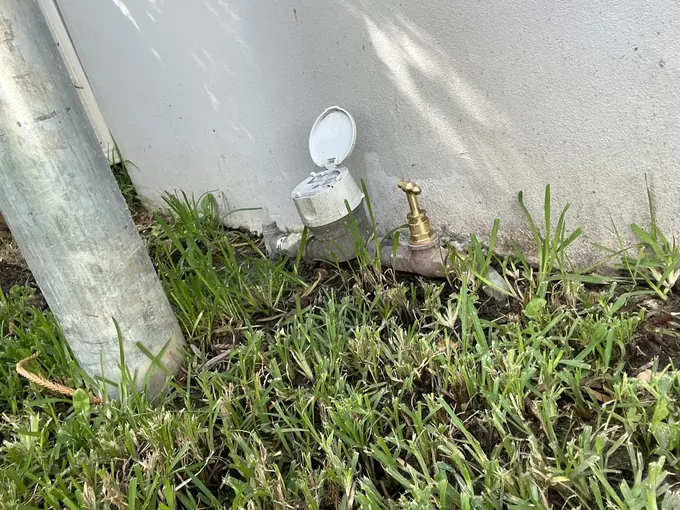
Knowing who owns which part of the pipe explains what Sydney Water tests, what is yours to look after, and where a filter can go.
From the dam to your glass: where each filter fits
Ownership as set out in our guide who is responsible, you or Sydney Water.
PFAS in Sydney Water: the Guideline Numbers
PFAS are a family of long-lasting man-made chemicals. In June 2025 the National Health and Medical Research Council updated the Australian Drinking Water Guidelines with four separate health-based values. Sydney Water measures against these.
| Chemical | Guideline value | What it means |
|---|---|---|
| PFOS | 8 ng/L | Nanograms per litre, one billionth of a gram in each litre |
| PFHxS | 30 ng/L | Set separately from PFOS in the 2025 update |
| PFOA | 200 ng/L | Set separately from PFOS in the 2025 update |
| PFBS | 1000 ng/L | The highest of the four values |
Sydney Water publishes results plant by plant on its PFAS monitoring page, and it states that the levels of PFAS in your drinking water are lower than the values specified in the guidelines. NHMRC's own advice is direct: households with a reticulated drinking water supply with PFAS levels below the health-based guideline values do not need additional home water treatment.
The same guidelines note that exposure to these PFAS from showering and bathing is considered negligible. That matters if someone is selling you a whole house system as protection in the shower: the national guideline does not support that reason.
How close does Sydney get? The highest PFAS result at any Sydney Water plant, against the national limit
Highest result for each chemical across all Sydney Water filtration plants in the latest published samples (Sydney Water PFAS monitoring results, retrieved 23 September 2026). A full bar would mean the water had reached the NHMRC health-based guideline value. Most plants measured less than shown here.
Why Your Tap Water Might Taste or Look Different
Safe and pleasant are not the same thing. These are the things a plumber checks when someone tells us their water is off.
- A pool smell or taste. That is the disinfectant doing its job. It is strongest close to where it is added and fades further along the network, so two suburbs can taste different.
- Cloudy water that clears from the bottom up. Usually tiny air bubbles. Leave the glass for a minute; if it clears, it was air.
- Discoloured or gritty water from one tap only. That points at the pipes, fittings or appliances inside your home, which are your responsibility rather than Sydney Water's.
- Discoloured water from every tap. Check with neighbours and Sydney Water first. If it is only your home, the service pipe or your own plumbing needs a look.
- A metallic or bitter taste first thing in the morning. Water that has sat in older pipes overnight can pick up a taste. Running the cold tap for a short time before filling a glass is a common first step, and a plumber can check the pipework if it persists.
Do You Need a Water Filter in Sydney?
For safety, the national guideline says no. For taste, smell and comfort, plenty of Sydney households choose one, and that is a reasonable choice as long as it is sold honestly.
If You Want It to Taste Better
A carbon filter takes out the chlorine taste and smell. A jug does it for a glass at a time, an under-sink filter does it at the kitchen tap, and a whole house system does it at every tap, shower and appliance.
If You Are Worried About PFAS
A 2020 peer-reviewed study of home filters found that all under-sink dual-stage and reverse osmosis filters tested showed near complete removal of the PFAS measured, while some whole house carbon systems gave variable results. For drinking water, an under-sink system proven by independent testing is the stronger choice.Source: Herkert et al., Environmental Science and Technology Letters, 2020
If You Are Thinking About a Softener
At about 57 mg/L, Sydney's water is already soft. Most Sydney homes do not need a water softener, and we will tell you so rather than sell you one.
Sydney water sits just on the soft side of the line
Sydney Water counts water under 60 mg/L of calcium carbonate as soft and over 60 as hard. Greater Sydney is about 57 mg/L (Sydney Water, water analysis).
Jug, Under-Sink or Whole House: What Each Filter Does
The right filter depends on what you want it to fix. This is how the common options compare.
| What you get | Jug filter | Under-sink carbon | Under-sink RO or dual-stage | Whole house carbon |
|---|---|---|---|---|
| Where it filters | One jug at a time | The kitchen drinking tap | The kitchen drinking tap | Every tap, shower and appliance |
| Chlorine taste and smell | Yes | Yes | Yes | Yes |
| Shower and bath water | No | No | No | Yes |
| PFAS in drinking water | Variable | Variable | Near complete removal | Variable |
| Needs a licensed plumber | No | Yes | Yes | Yes |
| Cartridges to change | Yes | Yes | Yes | Yes |
The Part Most Filter Sellers Leave Out
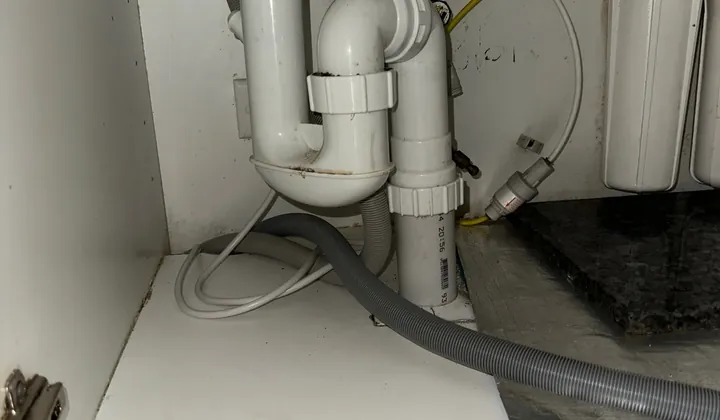
A filter only helps while it is looked after. A peer-reviewed study of homes with point-of-entry and point-of-use filters found the devices can trap sludge, scale and slime that encourage bacteria to grow when cartridges are not maintained. NHMRC also points out that home filters can reduce beneficial chemicals in the water, such as the chlorine residual that stops bacteria growing and the fluoride that protects teeth.
So if you do filter, three things matter more than the brand: choose a product certified for what it claims to remove, have it installed by a licensed plumber so it is plumbed in correctly, and change the cartridges on the maker's schedule. In NSW, water treatment connected to your plumbing is plumbing work, and WaterMark certified products must be installed by a licensed plumber.
Sydney Tap Water FAQs
Can you drink tap water in Sydney?
Yes. Sydney Water treats and tests the drinking water against the Australian Drinking Water Guidelines and publishes the results, including PFAS results for each water filtration plant.
Is there fluoride in Sydney water?
Yes. NSW water is fluoridated under the NSW Health Code of Practice for Fluoridation, which targets 1.00 mg/L and sets 1.5 mg/L as the most a consumer should receive.
Why does Sydney tap water smell like chlorine?
Sydney Water adds chlorine and ammonia to disinfect the water through the pipe network. The smell is the disinfectant, and it is often stronger closer to where it is added. A carbon filter removes the taste and smell if it bothers you.
Does Sydney have hard water?
No. Sydney Water puts Greater Sydney's water at about 57 mg/L of calcium carbonate, which is soft. Most Sydney homes do not need a water softener.
Is there PFAS in Sydney tap water?
Sydney Water tests for PFAS at every water filtration plant and reports that the levels are lower than the values in the national guidelines. NHMRC says households on a supply below those values do not need extra home treatment.
Will a whole house water filter remove PFAS?
Not reliably. A 2020 study found whole house carbon systems gave variable PFAS results, while under-sink dual-stage and reverse osmosis filters removed the PFAS tested almost completely. For drinking water, a certified under-sink system is the better choice.
Do I need a plumber to install a water filter?
A jug needs no plumber. Anything connected to your water supply, from an under-sink unit to a whole house system, is plumbing work in NSW and must be installed by a licensed plumber using a WaterMark certified product.
Related: Water filter installation · Who is responsible: you or Sydney Water · Low water pressure · All plumbing guides