




Low Water Pressure in the House or Shower: Causes and How to Fix It
Low pressure at one tap is that tap. Low pressure on the hot side only is the hot water system or its valve. Low pressure everywhere is the meter tap, the pressure limiting valve, a leak on your side of the meter, or old pipes that have narrowed inside. Ten minutes of checking tells you which, and the meter test at the end tells you whether you are paying for a leak you cannot see.
Do the meter test before anything else if the whole house is low: turn every tap off and watch the meter dial for five minutes. If it moves, water is leaving the property through a leak, and the pressure is the least of it. Mr Splash finds and quotes pressure and leak problems as one fixed price, GST included, before any work starts.
Where Is the Pressure Low? The Pattern Is the Diagnosis
Run three taps: the kitchen, the bathroom basin, and the shower, hot and cold at each. What is low and what is not narrows it to a handful of causes.
One Tap or One Shower
Everything else is fine. The aerator on the spout or the shower head is blocked with scale, the isolation valve under the basin is partly closed, or the mixer cartridge filter is clogged. Fixable at the tap.
Hot Side Only
Cold is strong, hot is weak everywhere. The hot water system: a partly closed isolation valve, a tempering valve scaling up, sediment in the tank, or on a continuous flow unit a blocked inlet filter. Old galvanised hot pipes narrow first.
Whole House, All the Time
The meter tap not fully open, a pressure limiting valve that has failed or is set low, a leak between the meter and the house, or old pipes corroded inside. The meter test and a gauge on a garden tap sort these out.
Whole House, Only at Certain Times
Fine at night, weak in the evening. Usually the street supply under peak demand, or one pipe feeding too many fixtures. Sydney Water works and mains breaks show up the same way, and their website lists current outages.
Sudden Drop
Pressure that fell in a day, not over months, is a leak, a burst, a failed valve or a partly closed tap after other work. Do the meter test now.
Pressure Drops When a Second Tap Opens
Fine on one fixture, weak as soon as two run. Undersized or corroded supply pipe, or a pressure limiting valve that cannot pass enough flow. Common in older houses and in units on a shared riser.
The Ten-Minute Checks
- Unscrew the aerator from the end of the weak tap and run the tap without it. Strong flow means the aerator was blocked: soak it in vinegar or replace it. Do the same with a weak shower head.
- Check the isolation valves. Under the basin or sink, the small taps on the supply hoses should be fully open. Check the hot water system's isolation valve on the cold inlet too.
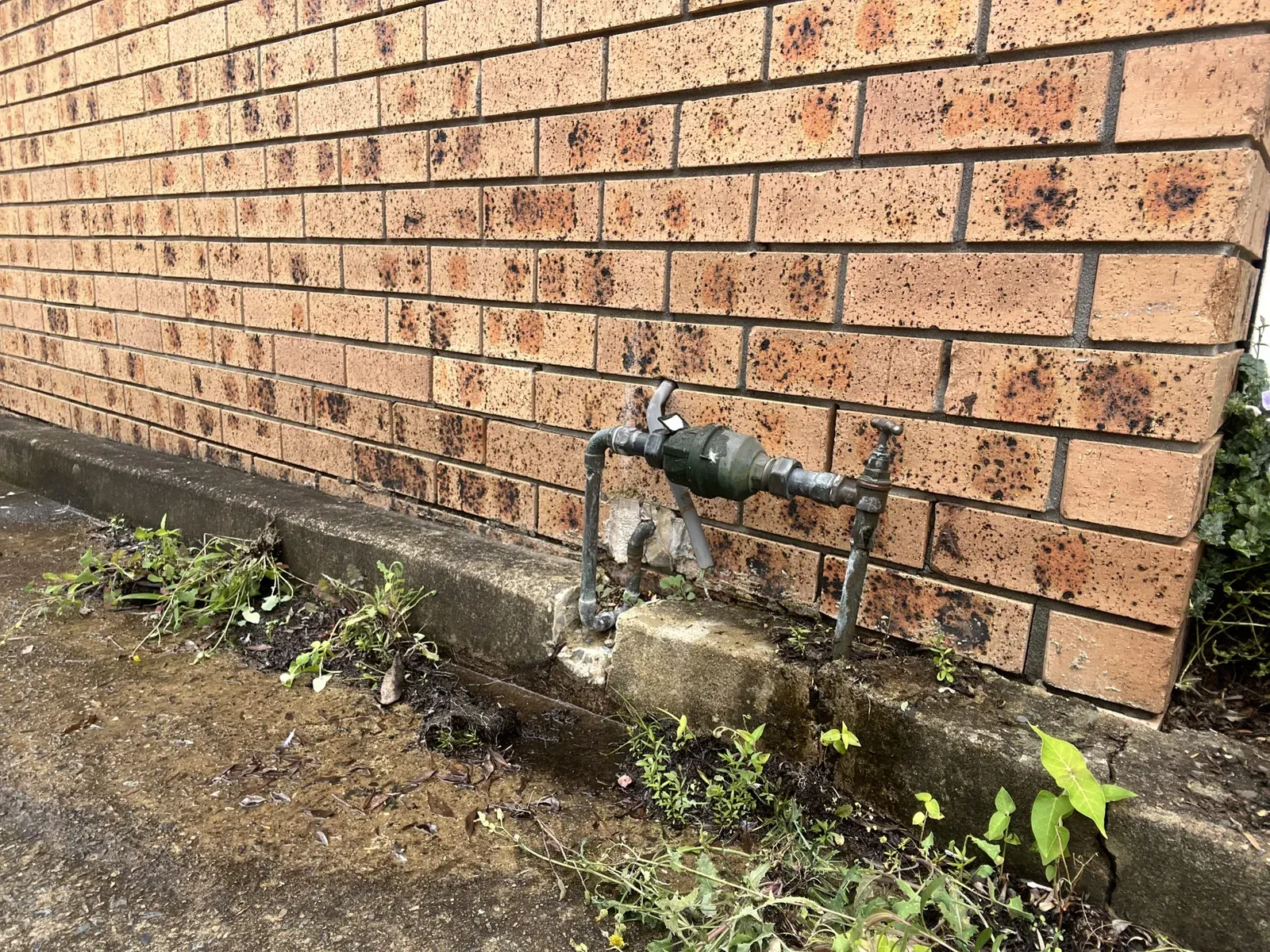
- Check the meter tap. At the front boundary, the tap on the meter should be fully open, turned anticlockwise until it stops. Plumbers and meter readers sometimes leave it a turn short.
- Do the meter test. Turn off every tap and appliance in the house, including the toilet cisterns finishing filling, then watch the meter for five minutes. Any movement on the dial means water is leaving the property: a leak in the pipe between the meter and the house, under a slab, or in a wall.
- Put a gauge on a garden tap. A water pressure gauge from a hardware store screws onto an outside tap. Sydney mains pressure is often well above 500 kPa; a reading in the 400 to 500 kPa range with a pressure limiting valve fitted is normal, and a reading below about 200 kPa with all taps off is a supply or valve problem.
- Check the hot water system if only the hot side is weak: the isolation valve on the cold inlet, and on a continuous flow unit, the inlet filter, which is designed to be cleaned.
The Pressure Limiting Valve: The Usual Whole-House Culprit
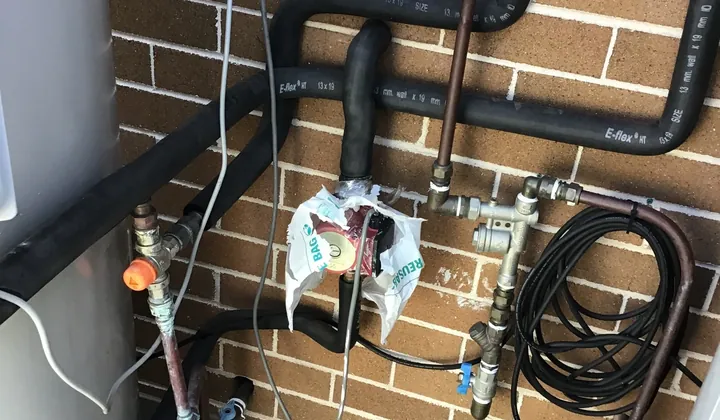
Most Sydney homes have a pressure limiting valve on the supply, usually near the meter or the hot water system, because mains pressure in many suburbs is higher than tapware, flexible hoses and hot water systems are rated for. Plumbing standards require one where the pressure exceeds 500 kPa, and it is set to hold the house at or under that.
The valve wears out. When it fails towards low, the whole house goes weak and stays weak: taps trickle, the shower is a disappointment, and the hot water system takes longer to fill. When it fails towards high, taps start hammering, flexible hoses burst and the hot water relief valve runs constantly. Either way the fix is a new valve, which is a quick job on a fixed price. The pressure limiting valve page covers it.
A house with no valve at all and high mains pressure has the opposite problem, and it usually shows up as burst hoses and dripping taps rather than low pressure. If the gauge on the garden tap reads high, fitting a valve is the protective move.
Leaks, Old Pipes and the Meter
If the meter moved during the test, a leak on your side of the meter is taking pressure and water. The pipe from the meter to the house is the property owner's responsibility under Sydney Water's rules, as is everything past it. The tell-tales are a green patch or a soft spot in the lawn, a damp wall or floor, or a water bill that has climbed. Mr Splash traces leaks with acoustic and pressure equipment and quotes the repair as one fixed price; the water meter repairs page covers leaks at and near the meter, and the Sydney Water responsibility guide explains where their pipes end and yours begin.
Old galvanised steel pipes, common in Sydney houses built before the 1970s, corrode from the inside until the bore is a fraction of what it was. The pressure at the meter is fine and the flow at the tap is not, and it gets worse every year. There is no cleaning them; the fix is replacing the affected runs with copper or PEX, which is quoted after the pipes are traced.
If none of it is on your side, check Sydney Water for works in the street, and ask the neighbours. A whole street with weak water is a mains problem, and it is a Sydney Water call, not a plumber.
When to Call a Plumber
The Meter Moves With Everything Off
A leak on the property. Every hour it runs costs water and can undermine a slab or a wall. Tracing it needs equipment.
Whole-House Low Pressure With the Meter Tap Open
A pressure limiting valve, a partly blocked pipe or a supply problem. A gauge test and a valve check find it quickly.
Hot Side Weak, Cold Fine
The hot water system or its valves. A tempering valve or an inlet filter is a small job; sediment in an old tank often means the tank.
Pressure Plus Hammer, Bursts or a Running Relief Valve
The valve has failed towards high. It needs replacing before it costs a hose or a hot water system.
Galvanised Pipes
Brown water after the taps have been off, flow that has faded over years, pipes that look rusty at the joints. Replacement is the only fix and it is planned, not urgent.
A Unit or Townhouse
Shared risers, a common pressure valve and strata responsibility for the pipes in the walls. The strata guide on this site explains who pays.
Water Pressure Questions, Answered
Why is my water pressure suddenly low?
A sudden drop is a leak, a burst, a failed pressure limiting valve or a tap left partly closed after other work. Check the meter tap is fully open, then do the meter test: with every tap off, a meter that still moves means a leak on your side of the meter.
Why is the water pressure low in the shower only?
Almost always the shower head, blocked with scale, or the mixer cartridge filter. Unscrew the head and run the shower without it; strong flow means the head was the problem. If the shower is low on hot only, it is the hot water system or the tempering valve.
Why is my hot water pressure low but cold is fine?
The hot side runs through the hot water system, so a partly closed isolation valve on the cold inlet, a scaled tempering valve, sediment in the tank, or a blocked inlet filter on a continuous flow unit all reduce hot flow while cold stays strong. Old galvanised hot pipes narrow before the cold ones do.
What is a pressure limiting valve and does my house need one?
A valve on the supply that holds the house pressure at or below 500 kPa to protect tapware, hoses and the hot water system. Plumbing standards require one where mains pressure exceeds that, which is common in Sydney. When it fails it causes low pressure everywhere, or the opposite: hammer, burst hoses and a relief valve that runs constantly.
How do I test for a water leak with the meter?
Turn off every tap and appliance in the house and wait for the cisterns to finish filling. Watch the meter for five minutes. Any movement on the dial means water is leaving the property through a leak between the meter and the fixtures.
Is low water pressure Sydney Water's problem or mine?
Sydney Water is responsible for the main in the street and the meter. Everything from the meter into the house is the property owner's. If the pressure at a gauge on the meter side is low, or the whole street is affected, it is a Sydney Water matter; if it is fine at the meter and weak in the house, it is on the property.
How much does it cost to fix low water pressure?
It ranges from a cleaned aerator that costs nothing to a pipe replacement that is quoted after the pipes are traced. A pressure limiting valve replacement is a small job. Mr Splash quotes whatever it turns out to be as one fixed price, GST included, before starting.
Related: Pressure limiting valves · Water meter repairs · You or Sydney Water: who is responsible · No hot water: what to check