




Water Hammer: What Causes the Banging Pipes and How to Stop It
That bang in the wall when the washing machine stops filling, or the thud when a quarter-turn tap snaps shut, is water hammer: moving water stopped dead, with the shock travelling back through the pipes. It comes from high pressure, fast-closing valves and loose pipes, usually two of the three together. It is not harmless. Here is what causes it, how to find which cause you have, and how it is stopped.
A pressure limiting valve at the meter, a water hammer arrestor at the appliance that bangs, and pipes clipped where they knock are the three fixes, and most houses need one or two, not all three. Left alone, hammer bursts flexible hoses, wears out taps and loosens joints. Mr Splash quotes the fix as one fixed price, GST included, after a pressure test.
What Water Hammer Is, and Why It Damages Pipes
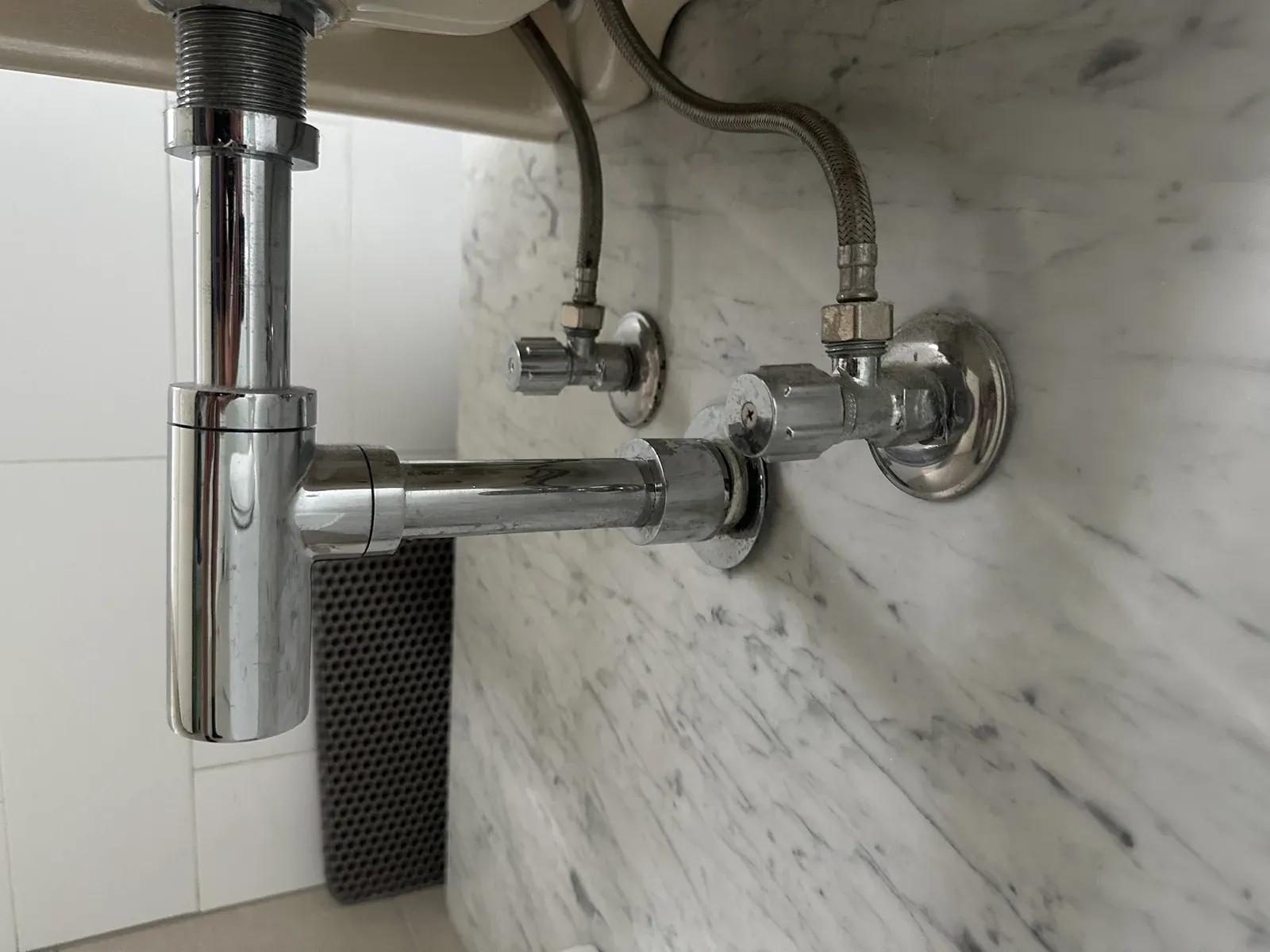
Water in a pipe has weight and momentum. When a valve closes quickly, the moving column has nowhere to go, so it stops with a pressure spike many times higher than the normal supply pressure, and that spike travels back through the pipework as a bang, a series of knocks, or a shudder you can feel in the wall. That is water hammer, and the noise is the least of it.
Every spike stresses the weakest point in the system. Braided flexible hoses under basins and behind washing machines burst. Tap washers and cartridges wear out early. Compression joints loosen, pipe clips let go so the pipe can move further next time, and the hot water system's relief valve starts discharging under the pressure. A house that hammers is a house that will have a flood eventually, usually from a flexi hose in the middle of the night.
The Three Causes, and How to Tell Which One You Have
High Water Pressure
Sydney mains pressure in many suburbs runs well above the 500 kPa that plumbing standards set as the maximum for a house. The higher the pressure, the faster the water moves and the harder it stops. A gauge on a garden tap reading above 500 kPa, or no pressure limiting valve on the supply, is the first thing to fix.
Fast-Closing Valves
Washing machines and dishwashers use solenoid valves that snap shut in a fraction of a second, which is why the loudest bang is usually at the end of a fill cycle. Quarter-turn taps and mixers close far faster than old screw-down taps, so a bathroom renovation with new tapware often brings hammer with it.
Loose or Unsupported Pipes
A pipe that can move will knock against the framing every time the pressure spikes. Long unsupported runs in a wall or a roof space, and pipes that were never clipped after a renovation, turn a small shock into a loud one.
The Washer Flutter That Sounds Like Hammer
A tap that hums, shudders or rattles while it is running, rather than banging when it closes, is a worn washer or a loose spindle vibrating in the flow. A tap repair, not a hammer fix.
Waterlogged Air Chambers
Older houses sometimes have vertical dead-end pipes near fixtures that trap air to cushion the shock. Over years the air dissolves and they fill with water. Draining the system refills them, but they fill again; an arrestor is the permanent version.
The Hot Water System
Hammer on the hot side only, or a relief valve that discharges every time a tap closes, points to pressure on the hot water system with no expansion control. A pressure limiting valve and an expansion valve fix both.
How to Work Out Which Fix You Need
- Note when it bangs. At the end of a washing machine or dishwasher fill: a fast solenoid, so an arrestor at that appliance. When a particular tap is snapped shut: that tap. All over the house, whenever anything closes: pressure.
- Check for a pressure limiting valve. Look near the meter or the hot water system for a brass valve on the supply line, usually with an adjustment cap on top. No valve on a Sydney supply is the most common finding.
- Put a gauge on a garden tap. A hardware-store water pressure gauge screws onto an outside tap. Above 500 kPa with everything off means the house is over the standard and a valve is the first fix.
- Find the pipe that moves. Have someone snap a tap shut while you listen along the wall or in the roof space. Where the knock is loudest, the pipe is loose there.
- Close the taps slowly for a week. If the hammer disappears, the cause is valve speed and pressure together, and arrestors or a pressure valve will solve it permanently.
The Fixes, From Simplest to Most Complete
Pressure Limiting Valve
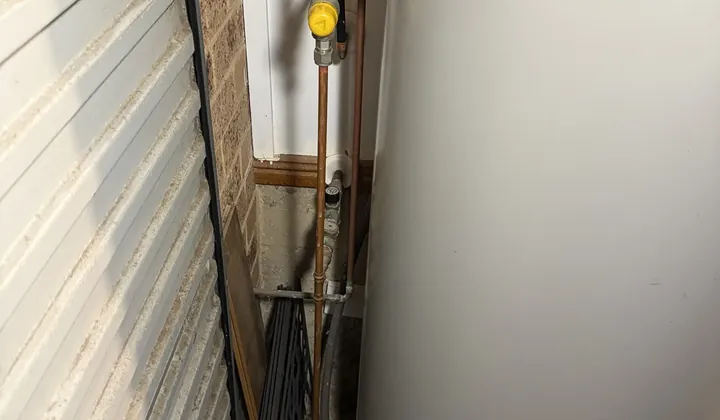
Fitted on the supply after the meter and set to 500 kPa. It slows the water, protects every tap, hose and appliance in the house, and it is required by the plumbing standards wherever the mains pressure exceeds that figure. The whole-house fix.
Water Hammer Arrestor
A small sealed cylinder with an air cushion behind a piston, fitted on the supply to the washing machine, the dishwasher or a specific tap. It absorbs the shock at the source. Screw-on versions fit between the washing machine tap and the hose.
Pipe Clips and Supports
Clipping the loose run where it knocks, or fitting a support on a long unsupported pipe in the roof. It stops the noise but not the spike, so it is done alongside one of the other two.
Slow-Close Tapware and Appliance Settings
Some mixers and appliance valves close more gently than others. A minor help, never the whole answer.
Tap Repair
Where the noise is a flutter while the tap runs, a new washer or spindle ends it. A worn washer under high pressure is also the start of a drip.
Expansion Control on the Hot Water System
A cold water expansion valve alongside the pressure valve stops the hot water system's relief valve discharging every time the pressure spikes, and protects the tank.
Why Not to Live With It
The bang is a warning that the pipework is being shock-loaded several times a day. Flexible hoses have a rated life of years, not decades, and hammer shortens it; a burst hose under a basin runs at mains pressure into a cupboard, through a floor and into the ceiling below until someone turns the meter off, which in an empty house can be a weekend. Insurers see it constantly.
A pressure limiting valve is a small part on a fixed price, and it protects the hot water system, the taps and every hose in the house at once. On a Sydney supply without one, it is the best value plumbing job there is, hammer or no hammer.
Water Hammer Questions, Answered
What causes water hammer?
Moving water stopped suddenly by a fast-closing valve, sending a pressure spike back through the pipes. High mains pressure makes the spike bigger, fast valves on washing machines, dishwashers and quarter-turn taps make it sharper, and loose pipes make it louder. Most houses have two of the three.
How do I stop water hammer?
Fit a pressure limiting valve on the supply if the mains pressure is over 500 kPa or there is no valve, fit a water hammer arrestor on the supply to the appliance or tap that bangs, and clip any pipe that moves. A gauge on a garden tap and a listen along the wall tell you which you need.
What is a water hammer arrestor?
A small sealed cylinder containing an air cushion behind a piston, fitted on the water supply close to a fast-closing valve. When the valve snaps shut, the water compresses the air instead of slamming into the pipe. Screw-on versions fit between a washing machine tap and its hose.
Is water hammer dangerous?
It damages plumbing. Each spike stresses joints, wears taps, and shortens the life of braided flexible hoses, which burst and flood houses. A pipe that hammers for years can work loose and leak inside a wall.
Why does my washing machine cause water hammer?
Washing machines and dishwashers fill through solenoid valves that close in a fraction of a second, which is the sharpest stop in the house. An arrestor on the washing machine taps, plus a pressure limiting valve if the mains pressure is high, stops it.
Why do my pipes hum or rattle while the tap is running?
That is usually a worn washer or a loose spindle vibrating in the flow, not water hammer. A tap repair fixes it. Water hammer is the bang when a tap or valve closes.
Does a pressure limiting valve stop water hammer?
It removes the biggest contributor by holding the house at or below 500 kPa, and on many Sydney supplies that alone ends the banging. Where a fast solenoid valve is still the trigger, an arrestor at that appliance finishes the job.
Related: Pressure limiting valves · Burst flexi hose · Low water pressure · How to fix a leaking tap