



How to Unblock a Toilet: With a Plunger, Without One, and When It Is the Drain
Most blocked toilets clear with a proper plunger in under five minutes, and most of the rest clear with hot water and dish soap. The ones that do not are in the drain, not the bowl, and no amount of plunging fixes a sewer line. Here is the technique, the no-plunger options, what never to pour in, and the four signs it is time to stop and call.
If the water rises with every flush, other drains gurgle, the shower or floor waste backs up, or the blockage keeps returning, the problem is in the drain and needs a drain machine or jetter, often with a camera. Never use chemical drain cleaners in a toilet. Mr Splash quotes blocked toilets and drains as one fixed price, GST included, after seeing what is causing it.
First: Stop the Bowl Overflowing
Before any technique, two things. They cost nothing and they are the difference between a blocked toilet and a flooded bathroom.
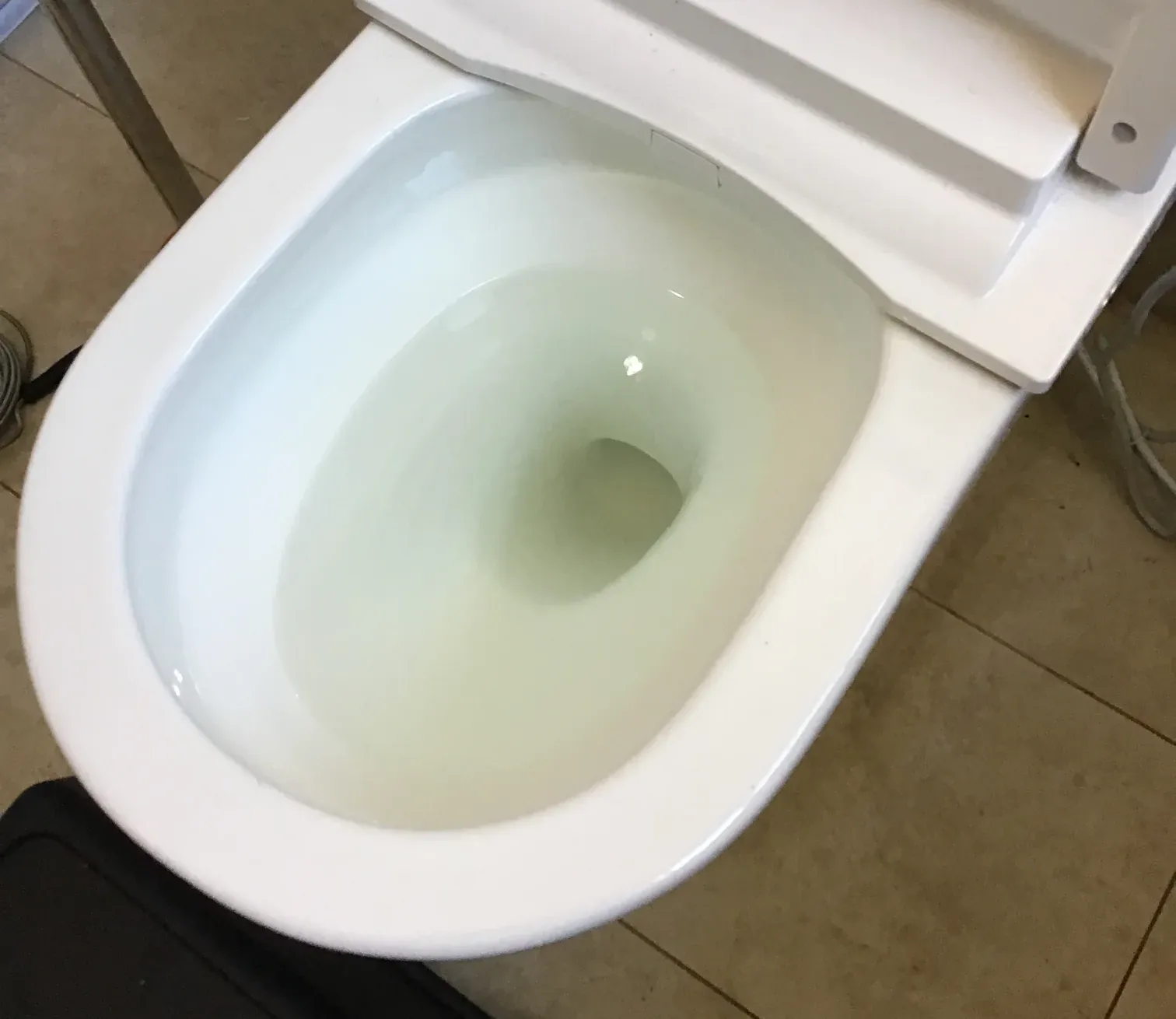
- Do not flush again. A second flush on a full bowl is how the floor gets wet. If the level is high, wait ten minutes; a partial blockage often drains on its own enough to try.
- If it is about to overflow, take the cistern lid off and push the flush valve closed by hand, or turn the stop tap beside the toilet off. That stops any more water reaching the bowl.
- Put towels down and get a bucket and gloves. Bail the bowl to about half full before plunging; a bowl that is too full splashes and a bowl that is empty gives the plunger nothing to push.
How to Unblock a Toilet With a Plunger
The technique matters more than the effort. Most people push a cup plunger at the water; a toilet needs a flange plunger sealed over the outlet.
- Use a flange plunger, the kind with a rubber sleeve folded inside the cup. A flat cup plunger for sinks does not seal on a curved toilet outlet.
- Seat it over the outlet at the bottom of the bowl with the flange inside the hole and the cup covering it. The water should cover the cup; that is what transmits the force.
- Push gently first to expel the air from the cup, then push and pull firmly a dozen times without breaking the seal. The pull matters as much as the push; it is the back-and-forth that shifts a paper blockage.
- Break the seal and watch. If the bowl drains, flush once to confirm. If it does not, repeat the set two or three times before moving on.
- Still blocked after three sets? Try the no-plunger methods below once, then stop. A blockage that does not move under a proper plunge is usually not in the bowl.
How to Unblock a Toilet Without a Plunger
Hot Water and Dish Soap
Squeeze a good amount of dishwashing liquid into the bowl, wait five minutes, then pour in a bucket of hot tap water from waist height. Not boiling water: it can crack the porcelain. The soap lubricates a paper blockage and the weight of the water pushes it through.
Baking Soda and Vinegar
A cup of baking soda, then two cups of white vinegar, then wait half an hour and add hot water. It fizzes and can loosen a soft blockage. It does nothing for wipes, toys or tree roots, and it is the last harmless thing to try.
A Toilet Auger
A short drain snake made for toilets, with a rubber sleeve to protect the porcelain. Fed into the outlet and cranked, it hooks or breaks up a blockage in the trap. Cheap at any hardware store and the most effective no-plunger tool.
The Wet and Dry Vacuum
With the bowl bailed, a wet vacuum sealed over the outlet can pull a blockage back out. Messy, but it works on things a plunger only pushes deeper, like a toy or a cleaning cloth.
The Wire Coat Hanger
Straightened, with the end wrapped in cloth to protect the bowl, it can reach a blockage just inside the trap. It scratches porcelain easily and reaches nothing further in. Use it once, gently.
Never: Chemical Drain Cleaners
Caustic and acid drain cleaners rarely shift a real toilet blockage, they damage seals and older pipes, and they turn the bowl into a chemical hazard for the plumber who comes next. Bleach does nothing for a blockage either.
The Four Signs the Blockage Is in the Drain, Not the Toilet
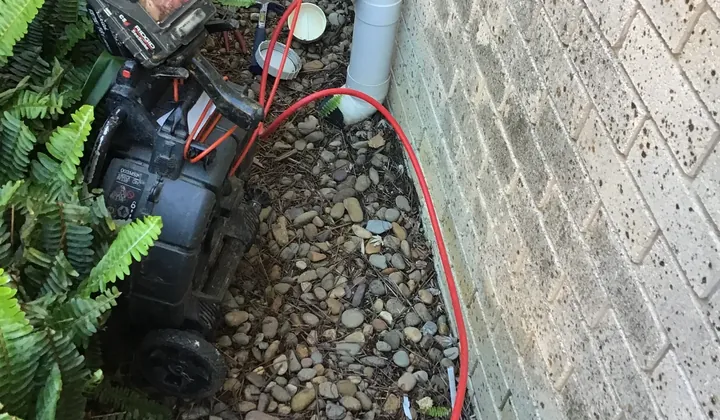
The Water Rises With Every Flush
A bowl blockage stops the water; a drain blockage fills the pipe behind it, so each flush raises the level further and it drains slower each time.
Other Drains Gurgle
The shower, the basin or the floor waste gurgling when the toilet is flushed means air is being pushed back through a blocked line they all share.
Something Else Backs Up
Water coming up in the shower or the floor waste when the toilet flushes, or the lowest drain in the house overflowing, is the sewer line, and it is the sign to stop using water in the house.
It Keeps Coming Back
A toilet that blocks every few weeks has a cause the plunger is not reaching: tree roots, a collapsed or offset joint, a build-up of wipes, or a drain that was never laid at the right fall.
Why Toilets Block, and How to Stop It Happening Again
Toilets block for four reasons: too much paper at once, things that were never meant to be flushed, a bowl or trap that is slowly scaling up, and a drain problem downstream. The first two are the household's to fix. Wet wipes, including the ones sold as flushable, do not break down and are the single most common thing pulled out of Sydney sewer lines; paper towel, tissues, cotton buds, sanitary products, dental floss and cat litter are next. If it is not toilet paper, it goes in the bin.
A toilet that needs two flushes and blocks easily may simply be an old low-flow suite with a narrow trap, or a cistern that no longer delivers a full flush because the flush valve is worn. Fixing the flush often fixes the blockages. And a toilet on an old drain that blocks repeatedly is telling you about the drain: a camera inspection once is cheaper than clearing it every month.
Blocked Toilet Questions, Answered
How do you unblock a badly blocked toilet?
Stop flushing, bail the bowl to half full, then use a flange plunger sealed over the outlet: push and pull a dozen times without breaking the seal, and repeat up to three times. If it is still blocked, try dishwashing liquid and a bucket of hot (not boiling) water, then a toilet auger. If the water rises with each flush or other drains gurgle, the blockage is in the drain and needs a plumber.
How do you unblock a toilet without a plunger?
Squeeze dishwashing liquid into the bowl, wait five minutes and pour in a bucket of hot tap water from waist height. If that fails, a toilet auger from the hardware store is the most effective tool. Baking soda and vinegar can loosen a soft blockage. Never use boiling water or chemical drain cleaners.
Will a blocked toilet unblock itself?
A partial paper blockage often softens and clears over an hour or two if nobody flushes. A blockage from wipes, a foreign object or a drain fault will not, and flushing again only raises the water level.
Can I pour boiling water down a blocked toilet?
No. Boiling water can crack the porcelain and damage the wax or rubber seal at the base. Hot tap water with dishwashing liquid is safe and does the same job on a paper blockage.
Do chemical drain cleaners work on a blocked toilet?
Rarely, and they cause harm: they damage seals and older pipes, they do nothing for wipes or objects, and they leave a chemical hazard in the bowl for whoever works on it next. Use a plunger, hot water and soap, or an auger instead.
How do I know if the blockage is in the drain?
The water rises with every flush, other drains gurgle when you flush, the shower or floor waste backs up, or the toilet blocks again within weeks. Any of those means the sewer line, which needs a drain machine or jetter and usually a camera to find the cause.
What does a plumber charge to unblock a toilet?
It depends on whether the blockage is in the bowl or the drain and whether a camera is needed. The toilet cost guide and the blocked drain cost guide on this site list current Sydney market ranges with sources and dates. Mr Splash quotes the job as one fixed price, GST included, before starting.
Related: Blocked toilet plumber · Blocked drains · Blocked drain cost · Toilet cost guide · How to fix a running toilet