




How to Fix a Running Toilet: Why the Cistern Keeps Running and What to Do
A toilet that keeps running has one of two faults: the flush valve seal at the bottom of the cistern is letting water trickle into the bowl, or the inlet valve is not shutting off and water is spilling down the overflow. Five minutes with the lid off tells you which. Here is how to check, what is a simple part swap, and when the plumber is the cheaper answer.
Both are standard parts on most Australian cisterns and a common plumber repair. A running toilet can waste hundreds of litres a day, so turn the stop tap beside the toilet off between uses until it is fixed. Mr Splash quotes running toilet repairs as one fixed price, GST included, before any work starts.
What Is Inside the Cistern, and Which Part Is Running
Every cistern has two valves. The inlet valve fills it and stops when the float rises. The flush valve opens when you press the button and seals the outlet when the cistern empties. A running toilet is one of them not doing its job.
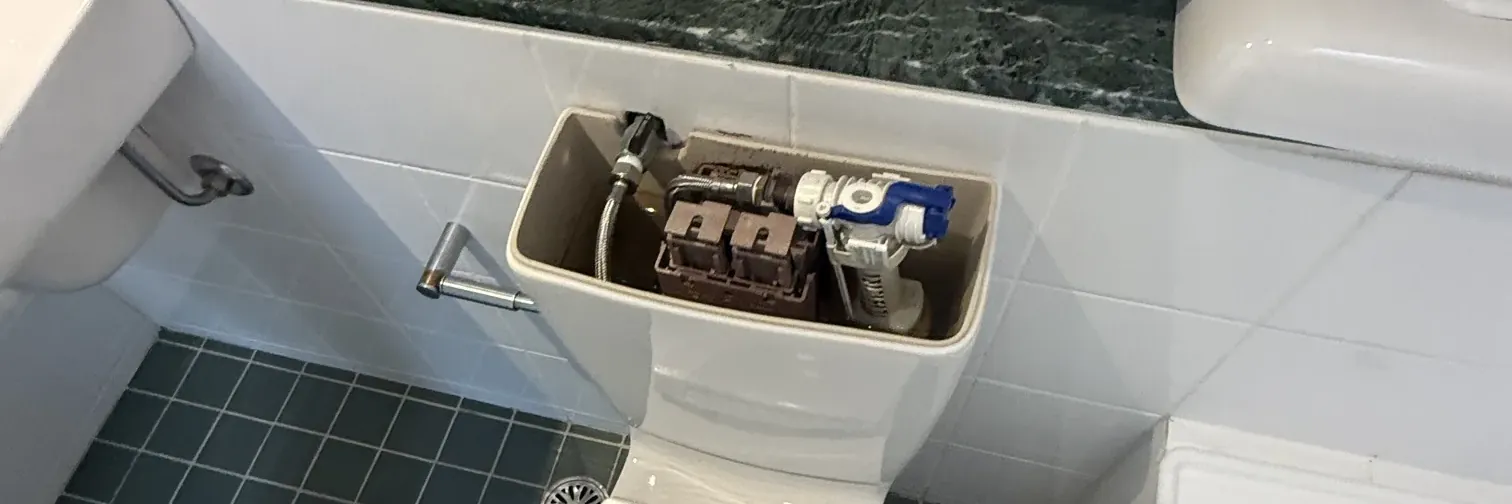
Flush Valve Seal Worn
The rubber seal at the base of the flush valve no longer seats. Water trickles from the cistern into the bowl, the level drops, the inlet valve tops it up, and you hear the toilet run for a few seconds every so often. The most common fault by far.
Inlet Valve Not Shutting Off
The float rises but the valve keeps letting water in, so the level climbs to the top of the overflow tube and runs straight into the bowl without stopping. A steady hiss or trickle that never ends.
Float Set Too High
The valve works, but the float is adjusted so the water level sits above the overflow tube. Same constant run as a failed inlet valve, fixed with an adjustment.
Button or Flush Mechanism Stuck
A dual-flush button that sticks down, a chain that has caught, or a flush valve that has not dropped back. Water runs until you jiggle the button. Usually a clean and a minor adjustment, sometimes a new button assembly.
Cracked Overflow Tube or Flush Valve Body
Less common, and it shows as a run that no seal or adjustment fixes. The flush valve assembly is replaced.
Stop Tap Seized
Not a cause of running, but the reason you cannot turn the water off to it. An old stop tap beside the toilet that will not close is replaced at the same visit.
The Five-Minute Check
- Take the lid off and set it somewhere safe; ceramic lids chip. Flush and watch the cistern refill.
- Look at the water level when it stops. If it sits at or above the top of the overflow tube and water is running down the tube, the fault is the inlet valve or the float height. If the level is below the tube and the toilet still runs, move on.
- Do the dye test. Put a few drops of food colouring in the cistern and leave it for fifteen minutes without flushing. Colour in the bowl means the flush valve seal is leaking.
- Press the button and let go. If it sticks down, or the flush valve stays open until you press again, the button or the mechanism is the fault.
- Turn the stop tap off between uses. The small tap on the wall or floor beside the toilet stops the waste while you organise the repair. If it will not turn, do not force it; a seized stop tap is a common extra on the same job.
What You Can Fix Yourself
A float adjustment is a screw or a clip on the inlet valve, and a stuck button usually frees up with a clean. Both are safe to try with the stop tap off and the cistern empty. Replacing a flush valve seal is also straightforward on many common cisterns: the old seal lifts off the base of the valve and a matching one presses on. The catch is matching it, because seals differ by brand and by year, and an almost-right seal is the reason so many running toilets come back a week later.
The inlet valve is where most people stop. Replacing it means disconnecting the water supply hose, unscrewing the valve from the base of the cistern, fitting the new one with its washer seated, and reconnecting without cross-threading or overtightening a plastic fitting. Done wrong, the cistern leaks onto the floor, which is a worse problem than the one you started with.
The fair summary: adjustments and buttons are yours; seals are yours if you can match the part; valves are a plumber's job for most people, and a quick one.
When to Call a Plumber
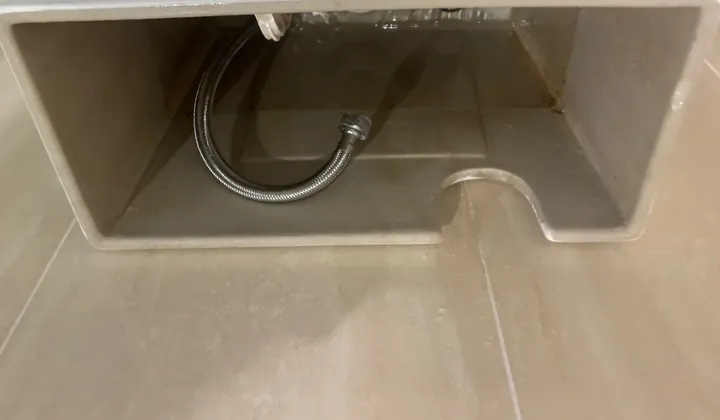
In-Wall or Concealed Cistern
The valves sit behind the tiles and are reached through the flush plate. It is the same repair, but the frame brand decides the parts and the access is tight. The in-wall cistern repairs page covers it.
Old or Unusual Suite
Parts for older cisterns are matched by brand and model. A plumber carries the common ones and knows which discontinued cisterns can be converted to a universal valve set.
The Seal Fix Did Not Hold
A running toilet that comes back after a new seal usually has a pitted or scaled valve seat, which needs the valve replaced, not the seal.
Water on the Floor
A running cistern that is also leaking outside the bowl, at the inlet connection or between cistern and pan, is a different repair and should not wait.
Stop Tap Will Not Turn
A seized stop tap means you cannot isolate the toilet at all. It is replaced as part of the same visit.
Running Plus Weak Flush
If the toilet runs and also flushes poorly, the flush valve assembly is usually replaced as a unit rather than patched.
Why It Is Worth Fixing Quickly
A trickle into the bowl looks harmless, and a running toilet is one of the largest water wastes in a house because it never stops. Hundreds of litres a day is common, and on a metered property that shows up on the water bill within the quarter. A toilet running into the overflow wastes more again.
The repair is one of the cheaper plumbing jobs there is. For current Sydney market ranges on toilet repairs, the toilet cost guide has a table with sources and dates. Mr Splash quotes the repair as one fixed price, GST included, and there is no charge just to come and look during business hours.
Running Toilet Questions, Answered
Why does my toilet keep running?
Either the flush valve seal at the bottom of the cistern is letting water trickle into the bowl, so the inlet valve keeps topping up, or the inlet valve is not shutting off and water is running down the overflow tube into the bowl. Lift the lid and watch the refill: the water level tells you which.
How do I stop my toilet running until it is fixed?
Turn off the stop tap on the wall or floor beside the toilet after each flush. If it will not turn, do not force it; a seized stop tap is replaced as part of the repair.
What is the dye test for a running toilet?
Put a few drops of food colouring in the cistern, wait fifteen minutes without flushing, and look in the bowl. Coloured water in the bowl means the flush valve seal is leaking.
Can I fix a running toilet myself?
Float adjustments and a stuck button, yes. A flush valve seal, yes if you can match the exact part for your cistern. Replacing an inlet valve or a flush valve assembly is a plumber's job for most people, and a quick one.
How much water does a running toilet waste?
A trickle into the bowl that never stops commonly wastes hundreds of litres a day, and a cistern running into the overflow wastes more. On a metered property it shows on the next water bill, which is why it pays to fix it the same week.
Is a running toilet an emergency?
No, unless water is also leaking onto the floor. Turn the stop tap off between uses and book a business-hours repair, when there is no charge just to come and look.
Does the same fix work for an in-wall cistern?
The valves are the same kind, but they sit behind the wall and are reached through the flush plate, and the parts are matched to the frame brand. Most in-wall running faults are fixed through the plate without touching the tiles.
Related: Toilet repairs · In-wall cistern repairs · Toilet cost guide · How to unblock a toilet