




Strata Plumbing in NSW: Who Pays for What, Lot Owner or Owners Corporation
In a NSW strata scheme the owners corporation is responsible for plumbing in the common property: pipes inside boundary walls, floors and ceilings, pipes that service more than one lot, the floor drains and sewers in common areas, and the main stopcock to each unit. The lot owner is responsible for plumbing within the lot: the taps, the toilet, the internal pipes and fixtures that serve that unit alone. Here is where the line falls, who pays when water crosses it, and how the plumber's report settles the argument.
NSW Fair Trading's guidance puts pipes in common property walls, floors or ceilings, the main stopcock to a unit and the floor drains and sewers in common property with the owners corporation, and plumbing in internal walls and fixtures with the lot owner. Your strata plan, the common property memorandum if the scheme has adopted one, and the by-laws settle the edge cases. Mr Splash attends strata jobs across Sydney, diagnoses which side the fault is on, and reports it in writing so the right party pays.
The Line Between Common Property and the Lot
The strata plan defines it, and for most NSW schemes registered since the mid-1970s the rule is the one below: the structure and everything in it is common property, and the space inside is the lot.
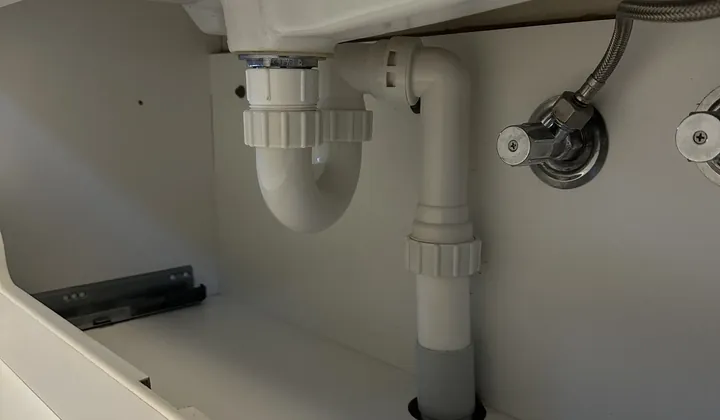
| Item | Usually responsible | Basis |
|---|---|---|
| Pipes inside boundary walls, floors and ceilings | Owners corporation | Common property: the structure and what is in it |
| Pipes that service more than one lot, including risers and stacks | Owners corporation | Common property services |
| Floor drains and sewers in common property | Owners corporation | NSW Fair Trading strata repairs guidance |
| The main stopcock (isolation valve) to a unit | Owners corporation | NSW Fair Trading strata repairs guidance |
| Stormwater and on-site detention systems below ground | Owners corporation | NSW Fair Trading strata repairs guidance |
| Plumbing in internal, non-boundary walls | Lot owner | Inside the lot |
| Taps, mixers, toilets, basins, showers, flexi hoses | Lot owner | Fixtures within the lot serving that lot alone |
| Hot water system serving one lot only | Usually the lot owner | Depends on the strata plan and any common property memorandum |
| Waterproofing of a bathroom floor | Owners corporation in most schemes | Part of the structure; confirm in the by-laws |
| Damage to a lot's contents and fittings from a common property leak | The owners corporation repairs common property; consequential damage depends on the cause and the scheme's insurance | Strata Schemes Management Act duty to maintain common property |
The Owners Corporation's Duty to Repair
Under the NSW Strata Schemes Management Act the owners corporation must properly maintain and keep in good repair the common property. That duty is not optional and it is not subject to a vote: if a common property pipe is leaking, the owners corporation has to fix it, and a lot owner who suffers loss because it did not can pursue the cost. NSW Fair Trading's guidance is explicit that plumbing in boundary walls and floors is the owners corporation's responsibility.
In practice the strata manager or committee arranges the plumber for common property work, and the cost comes from the administrative or capital works fund. For an emergency, most schemes have an after-hours number and an authorised spend limit so a leak into a neighbouring unit can be stopped at 2am without a committee meeting. If you cannot reach the manager and water is running, isolate at the main stopcock, call a plumber, and keep the invoice; a reasonable emergency repair to common property is normally reimbursed.
A lot owner's duty runs the other way: to keep the plumbing inside the lot in repair so it does not damage other lots or the common property. A burst flexi hose under a vanity that floods the unit below is the lot owner's hose, and the questions that follow are about who was negligent and what the scheme's insurance covers, not about who owns the pipe.
When Water Crosses the Line
Most strata plumbing disputes are about damage in one lot from a fault in another lot or in the common property. The cause decides the answer, and finding it is the plumber's job.
Ceiling Leak From the Unit Above
The cause could be their shower waste, their flexi hose, a common property pipe in the slab, or a failed waterproofing membrane, and each has a different payer. A plumber traces it with a dye test, a pressure test and a look at the fixture above before anyone accepts a bill.
Blocked Sewer Stack
A stack serving several units is common property. Wipes from one unit can block it, but the owners corporation clears it, and it recovers the cost only if it can show who caused it, which is rare.
Burst Flexi Hose
The hose is the lot owner's. The damage below is usually claimed on the scheme's building insurance, with the excess landing according to the by-laws, and the lot owner's own contents cover for their belongings.
Failed Waterproofing
Bathroom membranes are structural and in most schemes common property. A shower that leaks into the unit below through the floor is typically the owners corporation's repair, including retiling.
Hot Water System Failure
A unit serving one lot only is usually the lot owner's; a central plant serving the building is common property. The strata plan and any memorandum decide the borderline cases.
Low Pressure or No Water to One Unit
If it is the main stopcock, the riser or a pressure valve on the common supply, it is the owners corporation. If it is the isolation valves and pipes inside the lot, it is the owner.
What a Plumber Does on a Strata Job
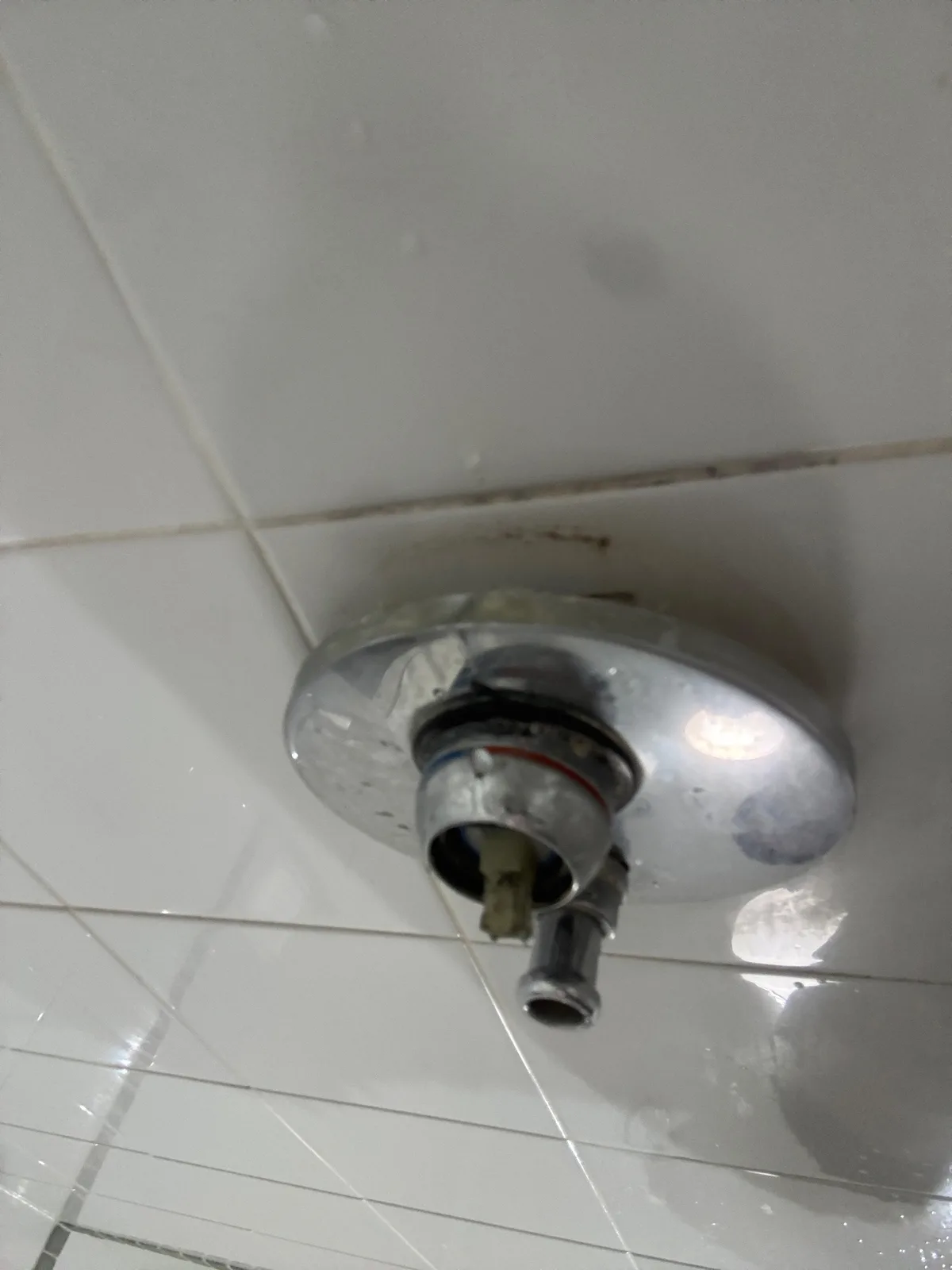
- Stop the water. Isolate at the lot's stop taps or the main stopcock, whichever is needed, and tell the manager what was isolated.
- Find the cause, not just the wet spot: pressure test, dye test, camera in the stack, and a look at the fixture above or beside the damage.
- Say which side it is on. The report names the failed component and whether it sits in the lot or the common property, in plain words, with photos. That single sentence is what the strata manager, the insurer and the neighbours need.
- Quote the repair to the party responsible, as one fixed price, GST included, before any work starts. If both sides are involved, two quotes.
- Do the licensed work with the paperwork. Plumbing, drainage and gas work in NSW is licensed, and the compliance certificate that follows is what the owners corporation files. Mr Splash Plumbing holds NSW Lic 306457C.
For Owners and Managers: How to Avoid the Argument
Adopt the common property memorandum by by-law if the scheme has not; it answers most questions before they are asked. Keep the strata plan and the by-laws where the manager and the committee can find them at 9pm. Replace flexi hoses in every lot on a schedule, because a burst hose is the most common cause of a cross-lot flood and the cheapest thing in the building to prevent. Have the stacks jetted and cameraed on a cycle rather than after the ground floor floods.
For an individual owner: know where your stop taps are, photograph any leak before it is cleaned up, tell the manager in writing the same day, and get the plumber's report in writing. The strata plumbing page covers how Mr Splash works with managers and committees across Sydney, and the Sydney Water responsibility guide covers the outer boundary, where the scheme's pipes meet Sydney Water's.
Strata Plumbing Questions, Answered
Who is responsible for plumbing in a strata unit in NSW?
The owners corporation is responsible for plumbing in the common property: pipes in boundary walls, floors and ceilings, pipes serving more than one lot, common property drains and sewers, and the main stopcock to each unit. The lot owner is responsible for plumbing inside the lot: taps, toilets, fixtures and pipes in internal walls that serve only that lot. Your strata plan and by-laws settle the edge cases.
Who pays when a leak from the unit above damages my ceiling?
It depends on the cause. A common property pipe or a failed waterproofing membrane is the owners corporation's repair. A fixture or flexi hose in the unit above is that owner's. The plumber's report naming the failed component and which side it sits on is what decides it, and the scheme's building insurance often covers the damage either way.
Is the hot water system in my unit common property?
Usually not if it serves only your lot, in which case it is the lot owner's. A central system serving the building is common property. The strata plan and any common property memorandum the scheme has adopted decide borderline cases.
Who is responsible for a blocked sewer in a strata building?
A stack or drain serving more than one lot is common property, so the owners corporation clears it. A blocked waste inside one lot, before it joins the shared line, is the lot owner's.
Can I call a plumber myself for a common property leak?
In an emergency, yes: isolate the water, call a plumber to stop the damage, tell the strata manager immediately and keep the invoice. Reasonable emergency repairs to common property are normally reimbursed. For non-urgent common property work, the manager or committee arranges it.
What is the common property memorandum?
A NSW Fair Trading model document that lists, item by item, whether the owners corporation or the lot owner maintains each part of a building. A scheme adopts it by by-law, and once adopted it settles most who-pays questions about plumbing.
Does Mr Splash work with strata managers?
Yes. Mr Splash attends strata jobs across Sydney, isolates and repairs the fault, and reports in writing which side of the line it was on, so the owners corporation, the lot owner and the insurer are working from the same facts. Every repair is one fixed price, GST included, quoted to the responsible party before work starts.
Related: Strata plumbing services · You or Sydney Water: who is responsible · Burst flexi hose · Blocked sewers