




Are Blocked Drains Covered by Home Insurance in Australia? What Policies Pay For
Usually not the blockage, sometimes the damage. Most Australian home and contents policies cover sudden, accidental escape of liquid: the ruined flooring, the ceiling, the cabinetry. They typically exclude the cost of clearing the drain or repairing the pipe that failed, and anything that happened gradually, including tree roots growing in over years and blockages from lack of maintenance. The policy wording decides, and the plumber's report is what the insurer reads.
Every policy is different and the product disclosure statement is the only document that binds the insurer, so this guide explains what to look for rather than what any one policy says. Before you claim, stop the water, photograph everything, and get a licensed plumber's written report stating the cause and whether it was sudden or gradual. Mr Splash provides that report on every blocked drain job.
What Home Insurance Usually Covers, and What It Usually Excludes
Australian home and contents policies are built around insured events. Water is covered as an event called escape of liquid, and the words that matter in the wording are sudden, accidental and gradual.
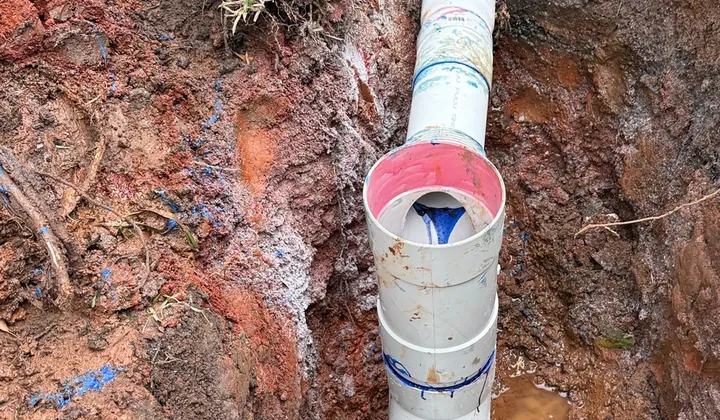
| Situation | Commonly covered? | Why |
|---|---|---|
| Damage to floors, walls, ceilings and contents from a sudden escape of water | Often yes | Escape of liquid is a standard insured event when it is sudden and accidental |
| Clearing the blocked drain itself | Usually no | Treated as maintenance, not damage from an insured event |
| Repairing or replacing the pipe that failed | Usually no, sometimes optional | Many policies exclude the faulty component; some offer optional cover for pipes and underground services |
| Damage from a leak that developed over weeks or months | Usually no | Gradual damage, wear and tear, rust and corrosion are standard exclusions |
| Tree roots that suddenly fracture a pipe and cause a flood | Sometimes | Depends on whether the wording treats it as a sudden event or as gradual root intrusion |
| Tree roots blocking the drain over years | Usually no | Gradual, and often specifically excluded |
| Blockages from wipes, grease or lack of maintenance | Usually no | Maintenance and misuse exclusions |
| Cost of finding a hidden leak | Sometimes | Some policies include exploration or leak detection costs when the leak itself is a covered event |
| Sewage overflow inside the home | Often yes for the damage and clean-up | Where it results from a sudden event; the drain repair is still usually excluded |
Sudden or Gradual: The Line Most Claims Turn On
Insurers cover events, not conditions. A pipe that cracks under a slab and floods the kitchen overnight is an event. A pipe that has been weeping into the subfloor for a year, softening the joists and lifting the floor, is a condition, and the argument at claim time is almost always about which one you have. The evidence that settles it is physical: the state of the pipe, the extent of corrosion or root growth, staining that shows how long water has been present, and the pattern of damage.
That is why the plumber's report matters more than the plumber's invoice. A report that says the sewer line was blocked by tree roots that had grown in over several years describes a gradual cause. A report that says a section of earthenware pipe fractured and the line backed up within hours describes a sudden one. Both can be true of the same drain on different days, and a licensed plumber with a camera can tell the difference and document it.
The other line is maintenance. A drain that has blocked repeatedly, been cleared repeatedly and never repaired is a maintenance problem in an insurer's eyes, and a flood from it is hard to claim. A drain that was working, cameraed clean, and then failed is a very different file.
What to Do When a Blocked Drain Floods the House
- Stop the water. Stop using every fixture in the house if the sewer is backing up; turn the water off at the meter if a supply pipe has burst. Nothing else matters until the water stops.
- Make it safe, then photograph everything before any clean-up: the water, the source, the damage, the state of the pipe or fitting if it is visible. Video is better than stills. Insurers ask for evidence and the evidence disappears with the mop.
- Call the plumber and tell them it is a likely claim. Ask for a written report that states the cause, where the fault is, whether it was sudden or gradual, and what was done to make safe. Mr Splash provides this on every blocked drain and burst pipe job.
- Call the insurer before repairs beyond making safe. Most policies require you to prevent further damage and allow them to assess before permanent repairs; emergency work to stop the water is expected, a full renovation before the assessor arrives is not.
- Keep every receipt: the emergency plumber, the drying equipment, the clean-up, temporary accommodation if the policy includes it. Log the calls with dates and names.
- Read the exclusions before you argue. If the decline cites gradual damage, ask what evidence it rests on and put the plumber's report against it. Disputes that do not resolve with the insurer can go to the Australian Financial Complaints Authority at no cost.
Tree Roots, Old Pipes and the Cover Nobody Reads
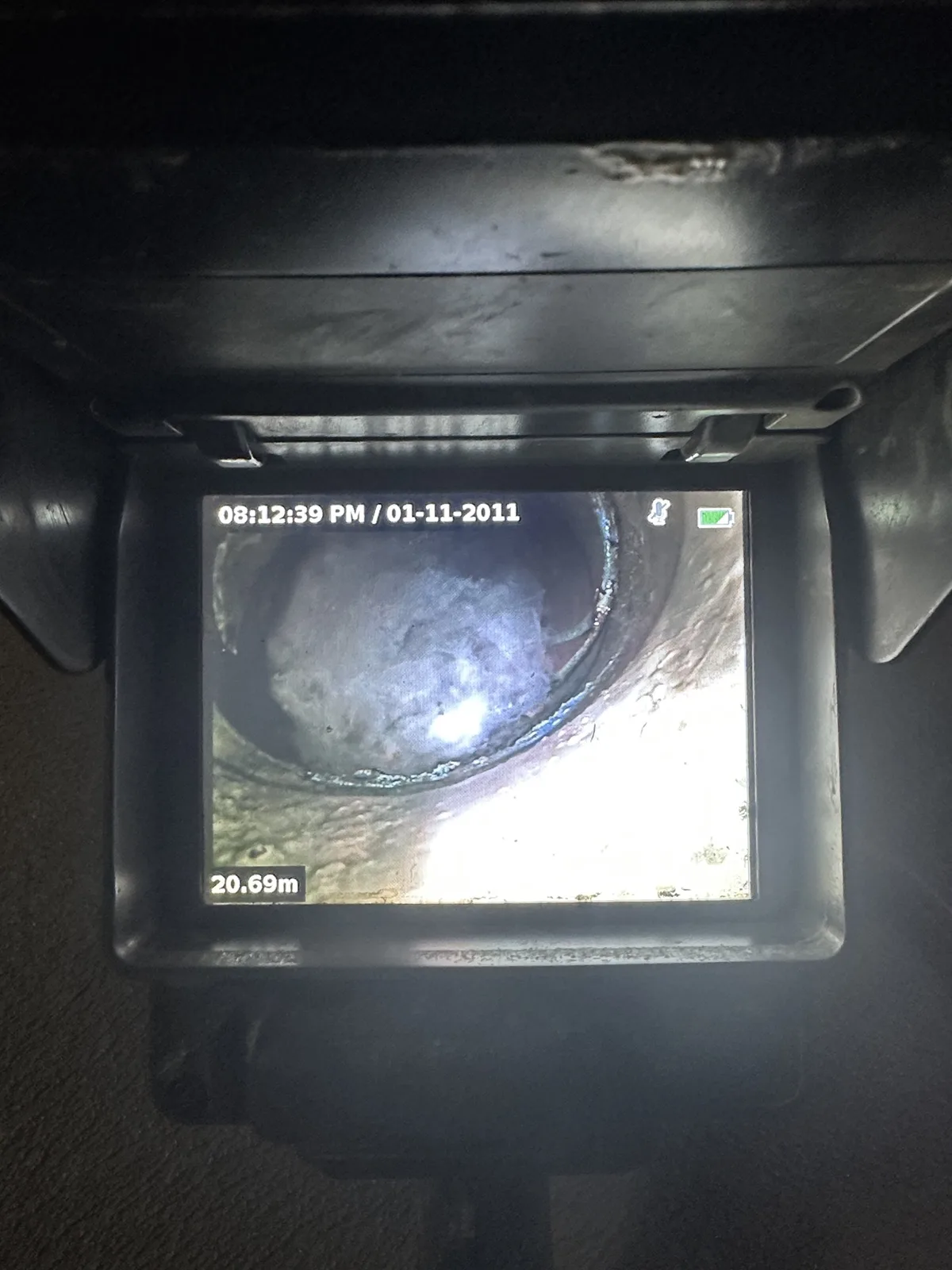
Tree roots are the most common cause of blocked sewers in Sydney and the most contested at claim time. Roots enter through a joint or a crack and grow with the water, so by the time the drain blocks they have often been there for years; that is gradual, and most policies will not pay to clear them or to repair the pipe they entered. A root that suddenly fractures a pipe and floods the house is an event, and some policies pay for the resulting damage. The camera footage and the plumber's description are what separate the two.
Old earthenware and galvanised pipes in older Sydney suburbs sit in the same place: corrosion and joint failure are wear and tear, excluded almost everywhere, but a sudden collapse can be an event. Some insurers now offer optional cover for the pipes themselves, sometimes called underground services or pipe and cable cover, which pays to repair the pipe rather than only the damage it caused. If the house is older than the 1980s it is worth asking whether the policy has it.
The practical protection is not insurance at all. A camera inspection of the sewer line, relining or replacing the sections the camera shows are failing, and a hair catcher and grease habits in the house cost less than one excess and remove the argument entirely. The blocked drains page covers the inspection, the pipe relining guide the repair, and the blocked drain cost guide the current market ranges.
Strata, Landlords and Tenants
In a strata building the owners corporation's building policy covers the common property, and a blocked stack that floods a unit is usually claimed there, with the excess allocated under the by-laws. The lot owner's own contents policy covers their belongings. The strata plumbing guide explains which pipes belong to whom.
A landlord's policy typically covers the building and sometimes loss of rent while a flooded property is uninhabitable; a tenant's contents policy covers the tenant's belongings and nothing about the drain. Tenants should report a blocked drain to the agent in writing the day it starts, because a drain that was reported and not fixed sits with the landlord.
Whatever the arrangement, the sequence is the same: stop the water, photograph it, get the plumber's report, call the insurer. Mr Splash clears and repairs blocked drains across Sydney as one fixed price, GST included, with no charge just to come and look during business hours, and the report comes with the job.
Insurance and Blocked Drain Questions, Answered
Are blocked drains covered by home insurance in Australia?
The blockage itself usually is not, because clearing a drain is treated as maintenance. Sudden, accidental water damage that results from it, to floors, walls, ceilings and contents, is commonly covered under the escape of liquid section of a policy. Gradual causes, wear and tear and lack of maintenance are standard exclusions. The product disclosure statement for your policy is what applies.
Does home insurance cover the cost of repairing the pipe?
Most policies exclude the faulty pipe or fitting itself and pay only for the damage it caused. Some insurers offer optional cover for underground pipes and services that does pay for the repair. Check the policy or ask the insurer.
Is tree root damage to drains covered by insurance?
Roots that have grown into a drain over years are gradual and usually excluded, along with the cost of clearing them. A root that suddenly fractures a pipe and floods the house can be treated as a sudden event under some policies, for the resulting damage. The plumber's camera footage and report decide which it is.
What is escape of liquid in a home insurance policy?
The insured event that covers water or other liquid escaping suddenly and accidentally from pipes, drains, appliances, tanks or fixtures, and the damage it causes. It generally does not cover the leaking component itself or damage that built up gradually.
What should I do first if a blocked drain floods my home?
Stop the water: stop using fixtures if the sewer is backing up, turn off the meter if a supply pipe has burst. Photograph and video everything before cleaning up, call a licensed plumber and ask for a written report on the cause, then call the insurer before any repairs beyond making safe. Keep every receipt.
Will my insurer pay if the drain has blocked before?
Repeated blockages that were cleared but never repaired look like a maintenance problem, and a flood from a known, unrepaired fault is hard to claim. A camera inspection and repair after the first blockage is both the fix and the evidence that the drain was maintained.
Does Mr Splash provide a report for insurance claims?
Yes. Every blocked drain and burst pipe job comes with a written description of the cause, where the fault was, whether it was sudden or gradual, and the work done to make safe, with photos and camera footage where a camera was used.
Related: Blocked drains · Burst water pipes · Blocked drain cost · Is pipe relining worth it · Strata plumbing: who pays